

















Stavka is a sports prediction platform we have designed since 2017. We supported the product through a full pivot from expert video predictions to user-generated content, redesigning core UX during live traffic without downtime. The work is structured around a 3,500+ component design system that lets internal and affiliate teams launch contests, banners, and new sections without redesign cycles.
The engagement evolved from a Product Audit & Discovery into a Post-MVP Evolution retainer and later a Dedicated Product Team — and the platform now serves 3M monthly visits.
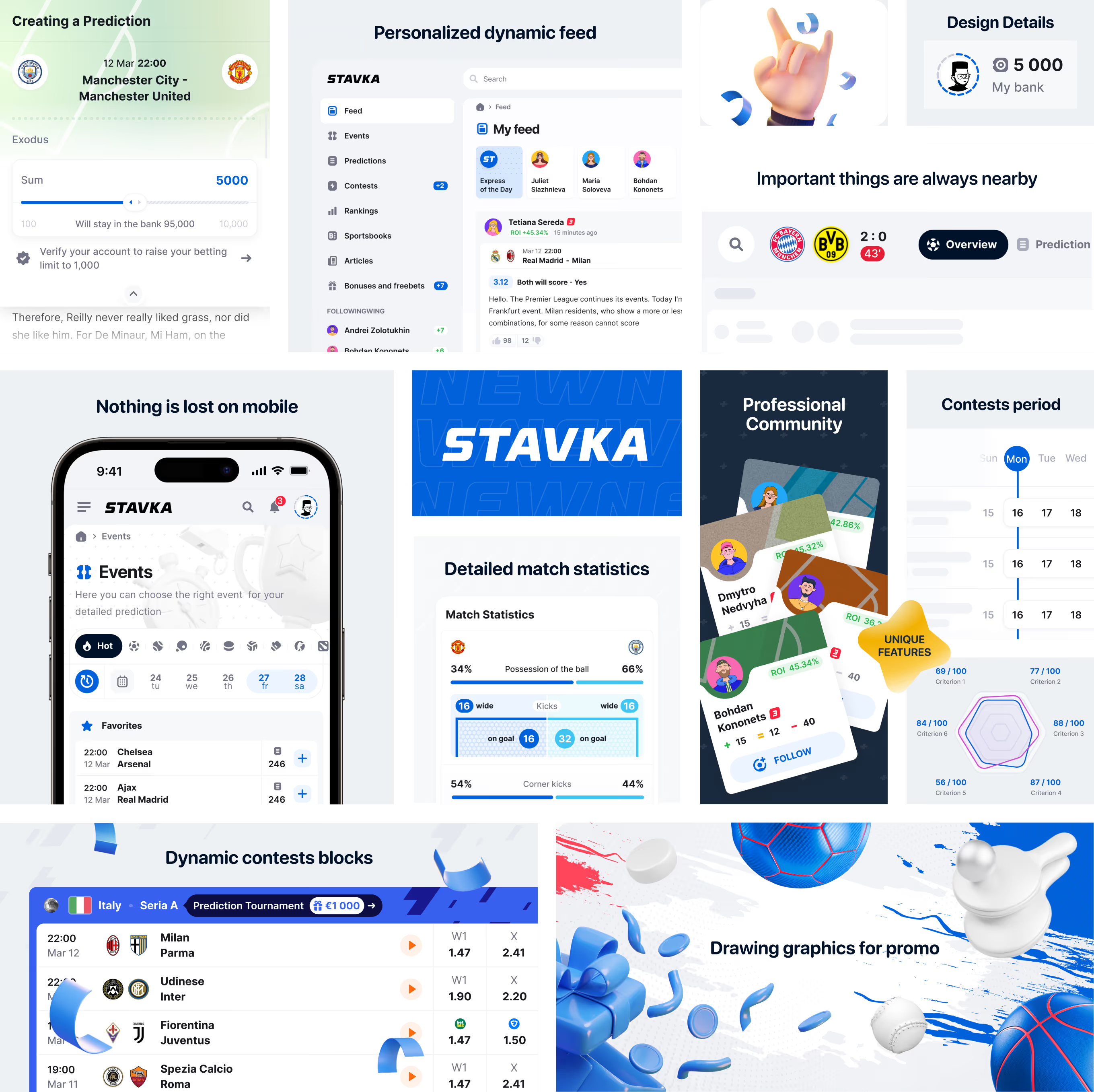
Key modules of the Stavka sports prediction web app – prediction creation, dynamic feed, contests, and match statistics. The prediction form caps stakes against the user's bank and prompts verification to raise limits.
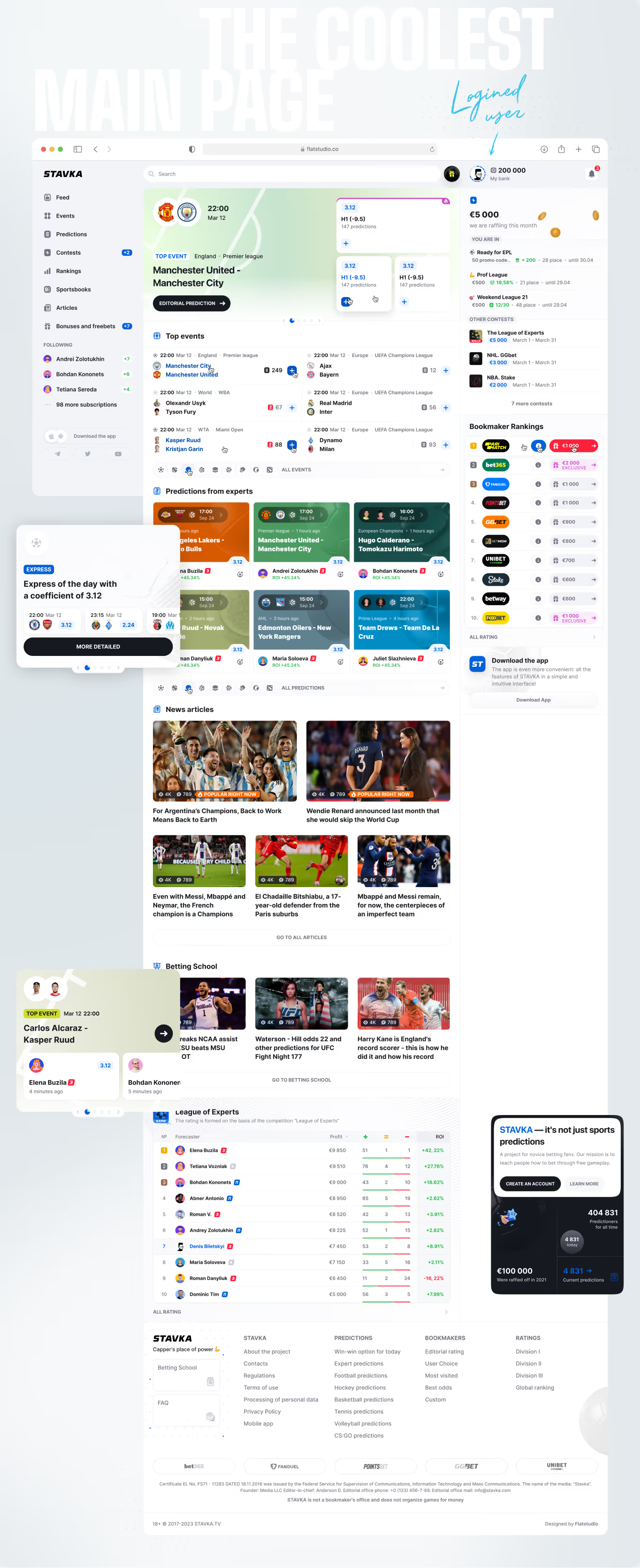
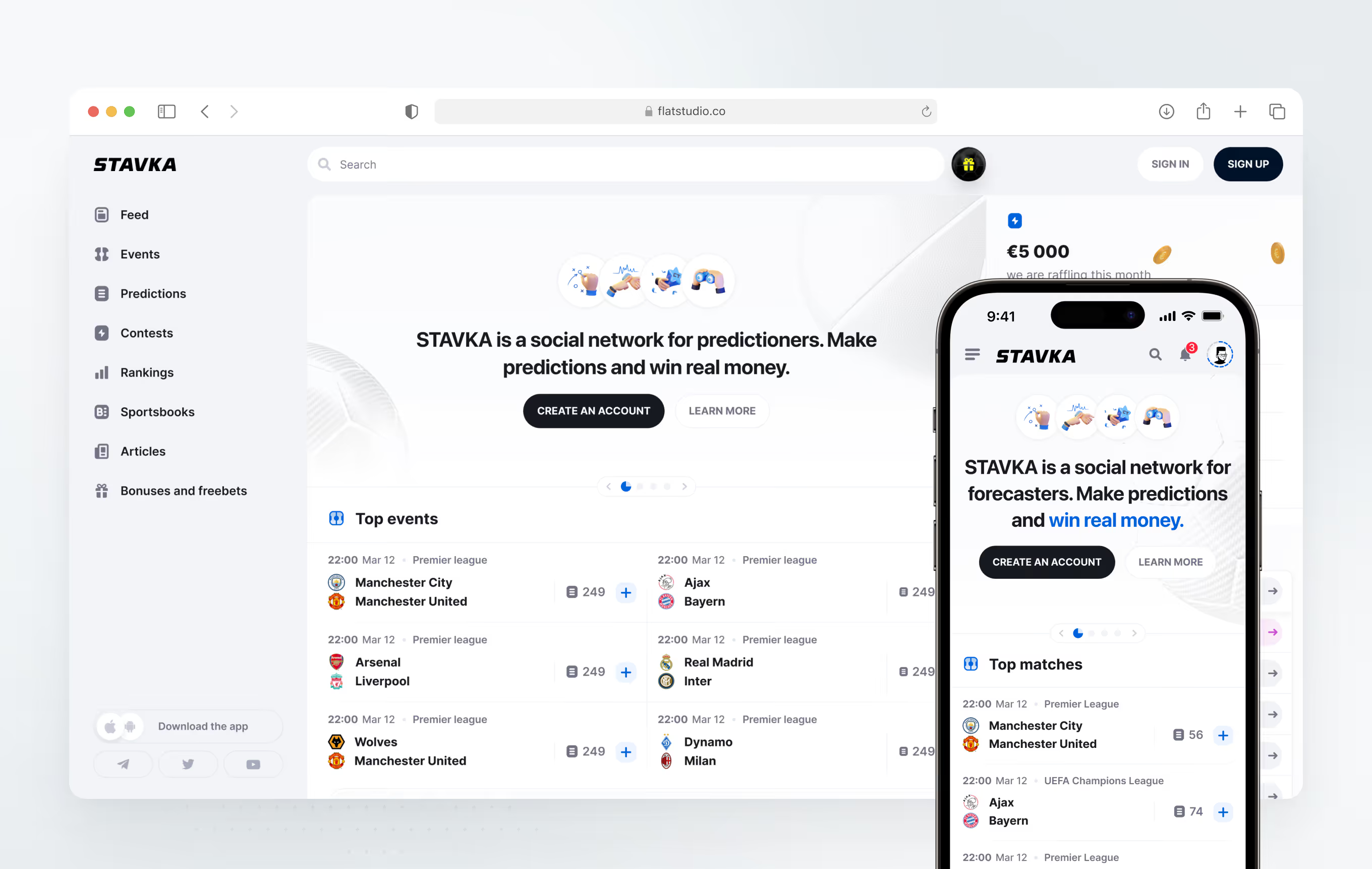
The authenticated home combines top events, expert predictions, active contests, and bookmaker rankings in one view. Bettors move from an odds line to a placed prediction without leaving the page.
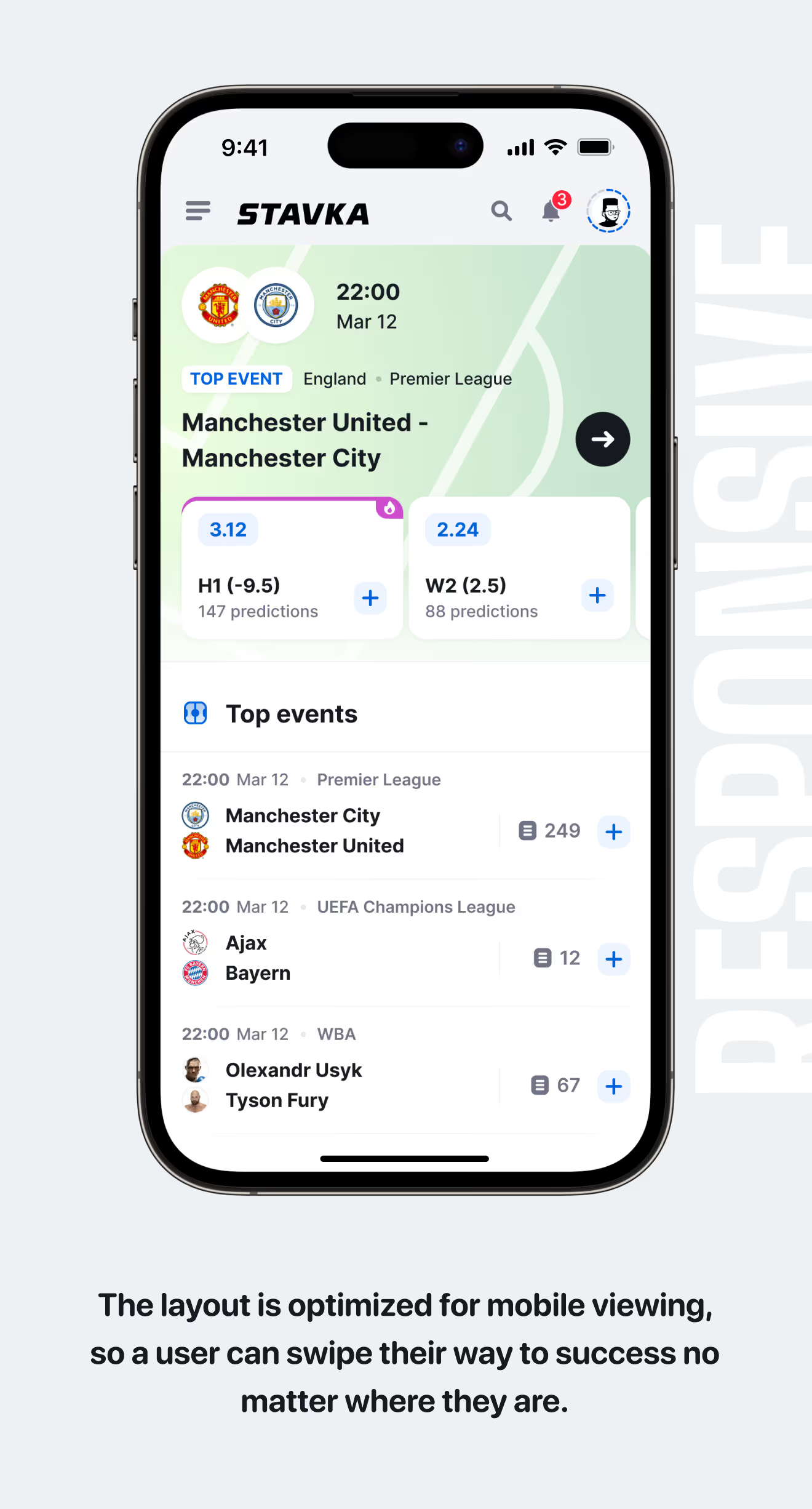
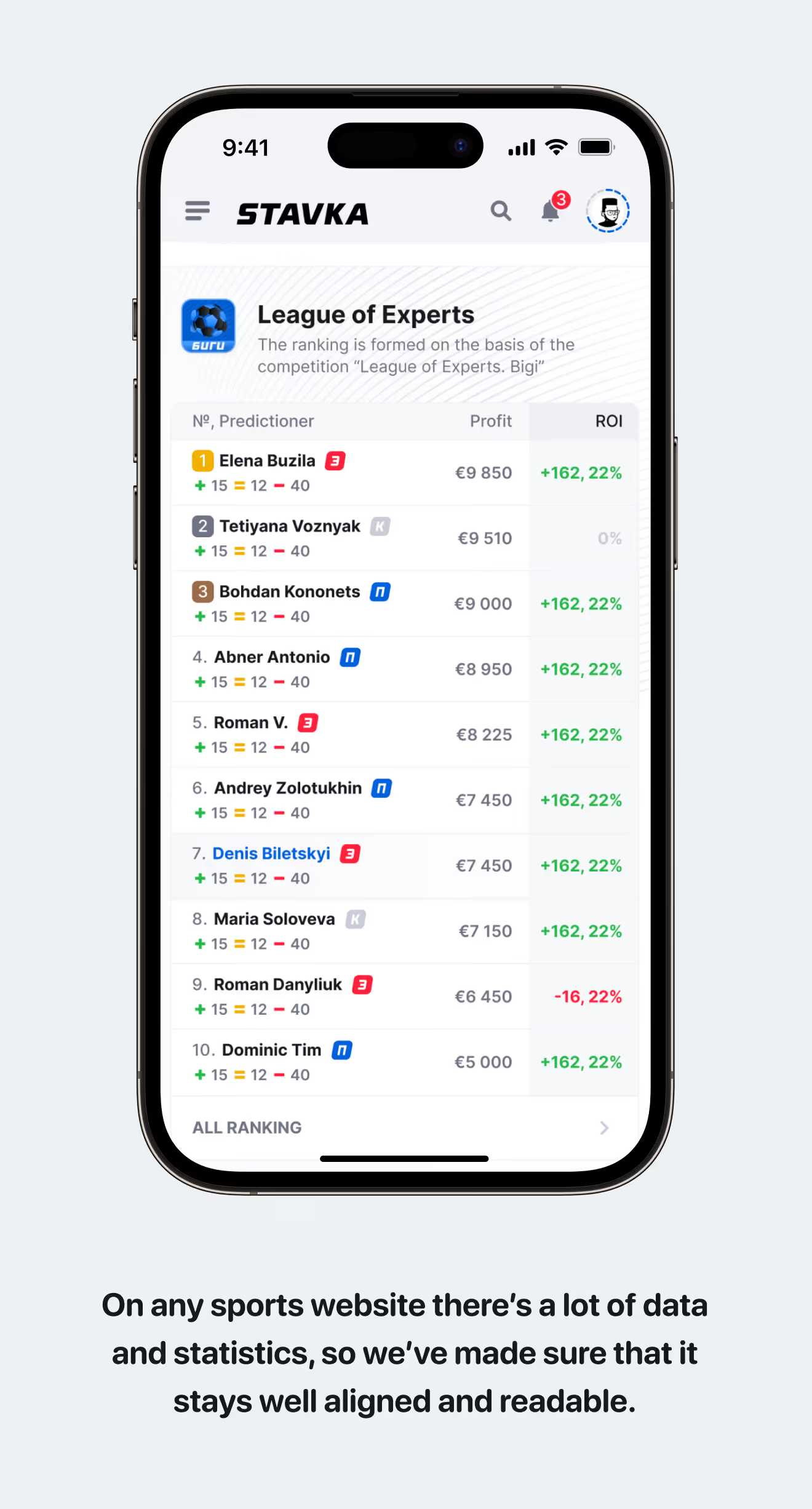
Event lists, expert rankings, and ROI data reformat for small screens without dropping columns. Dense sports statistics stay aligned and readable in one-hand mobile layouts.
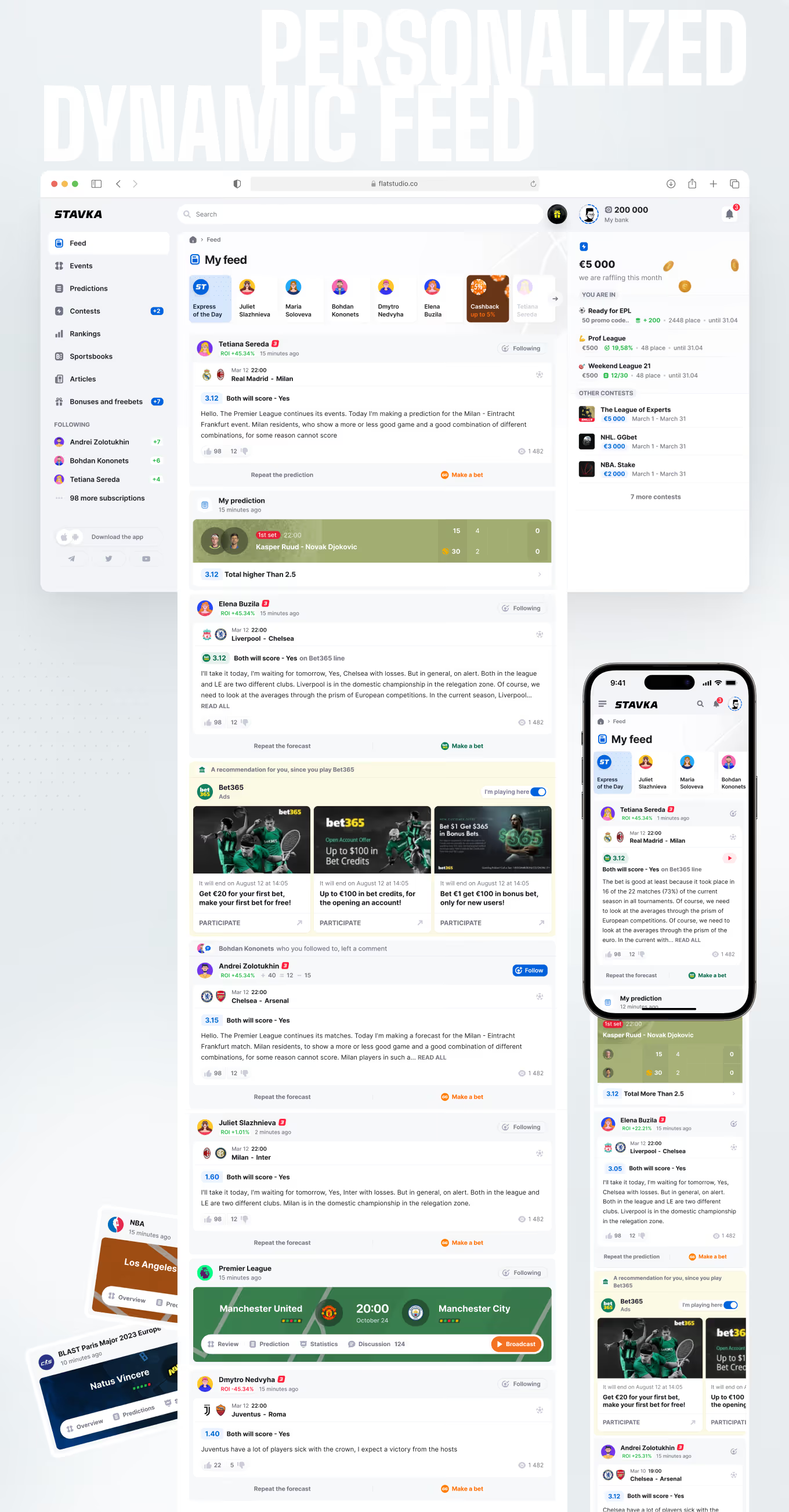
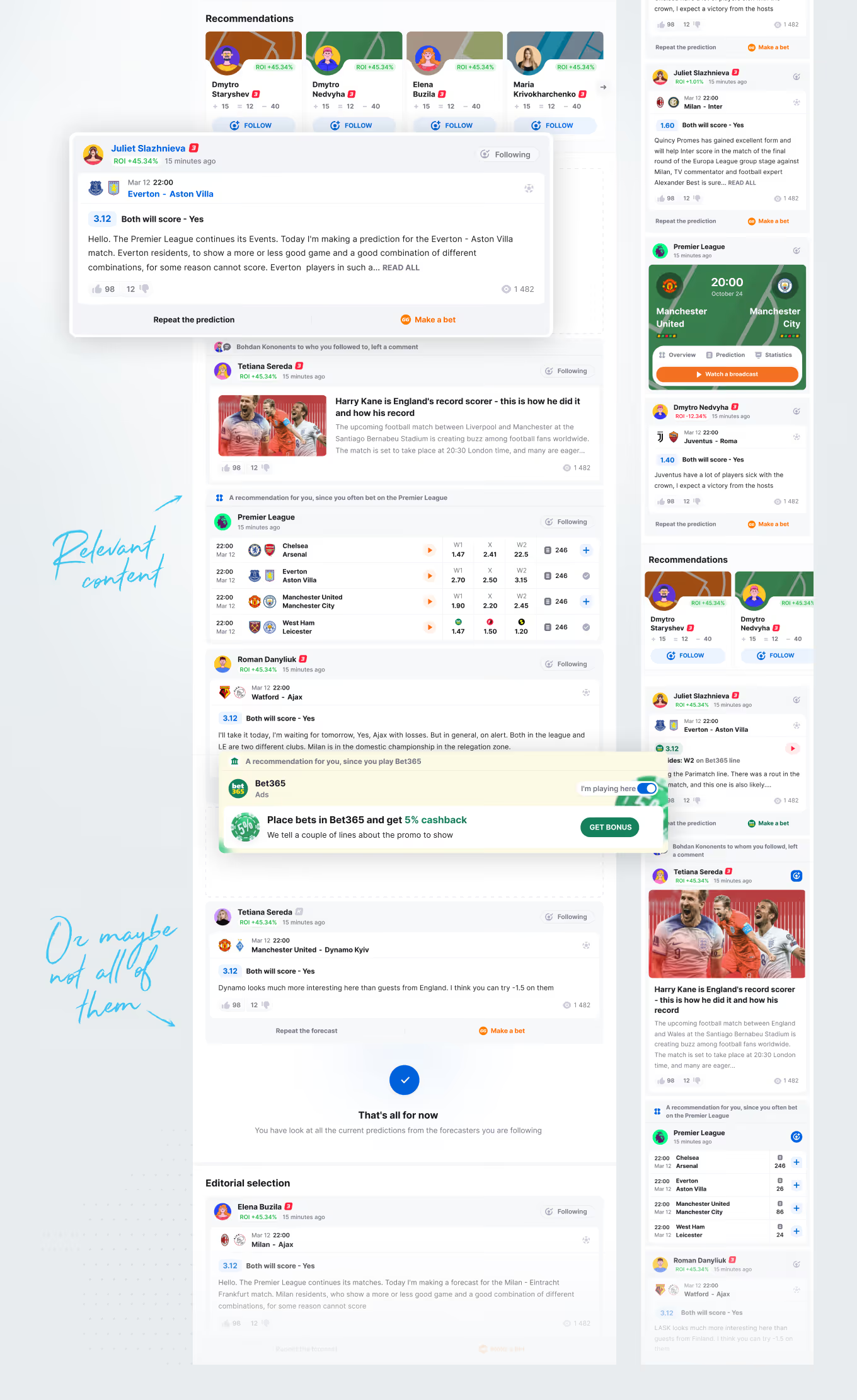
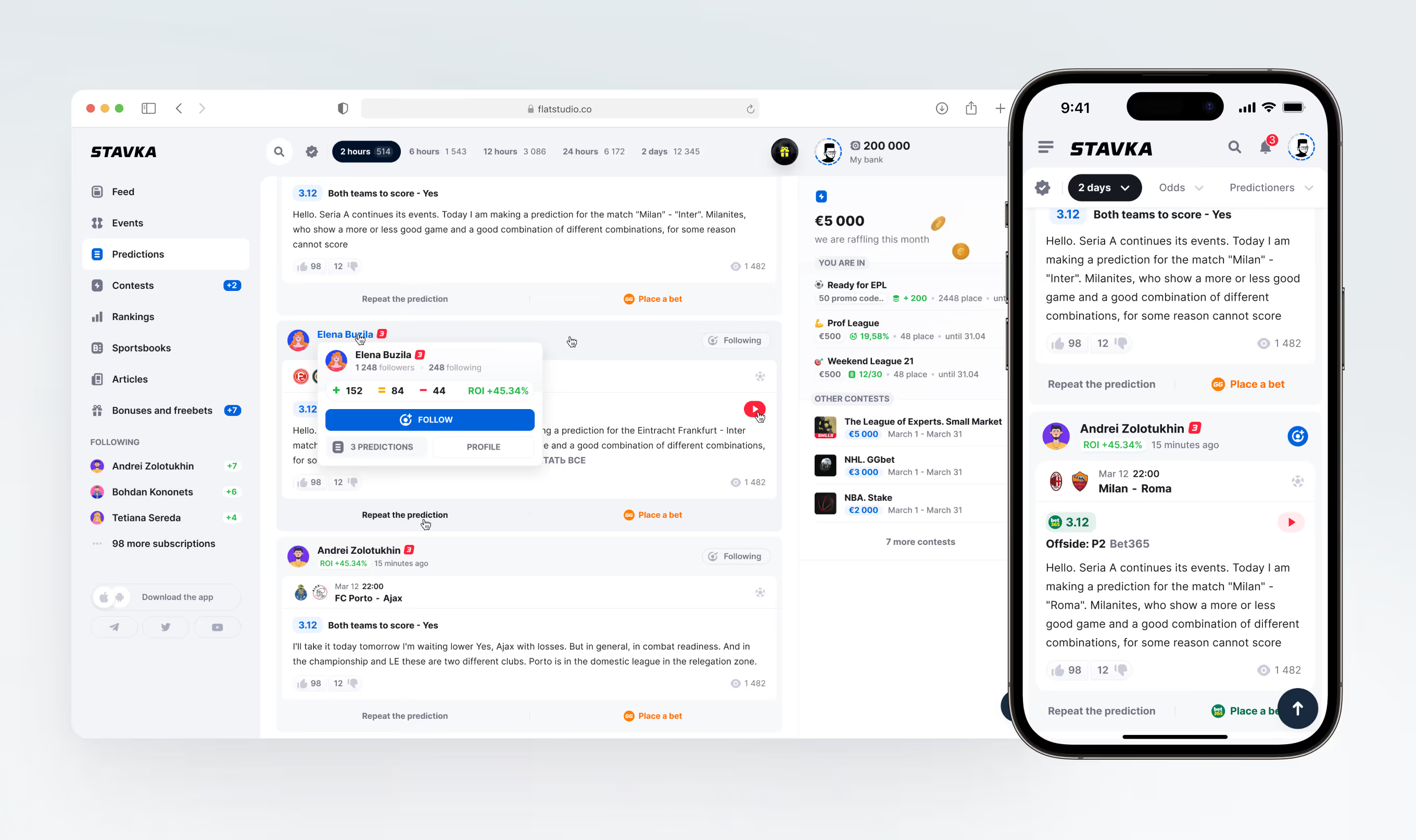
The feed assembles posts from followed predictioners alongside in-feed bookmaker placements that convert better than header banners. Each entry carries odds, ROI, and a repeat-prediction action.
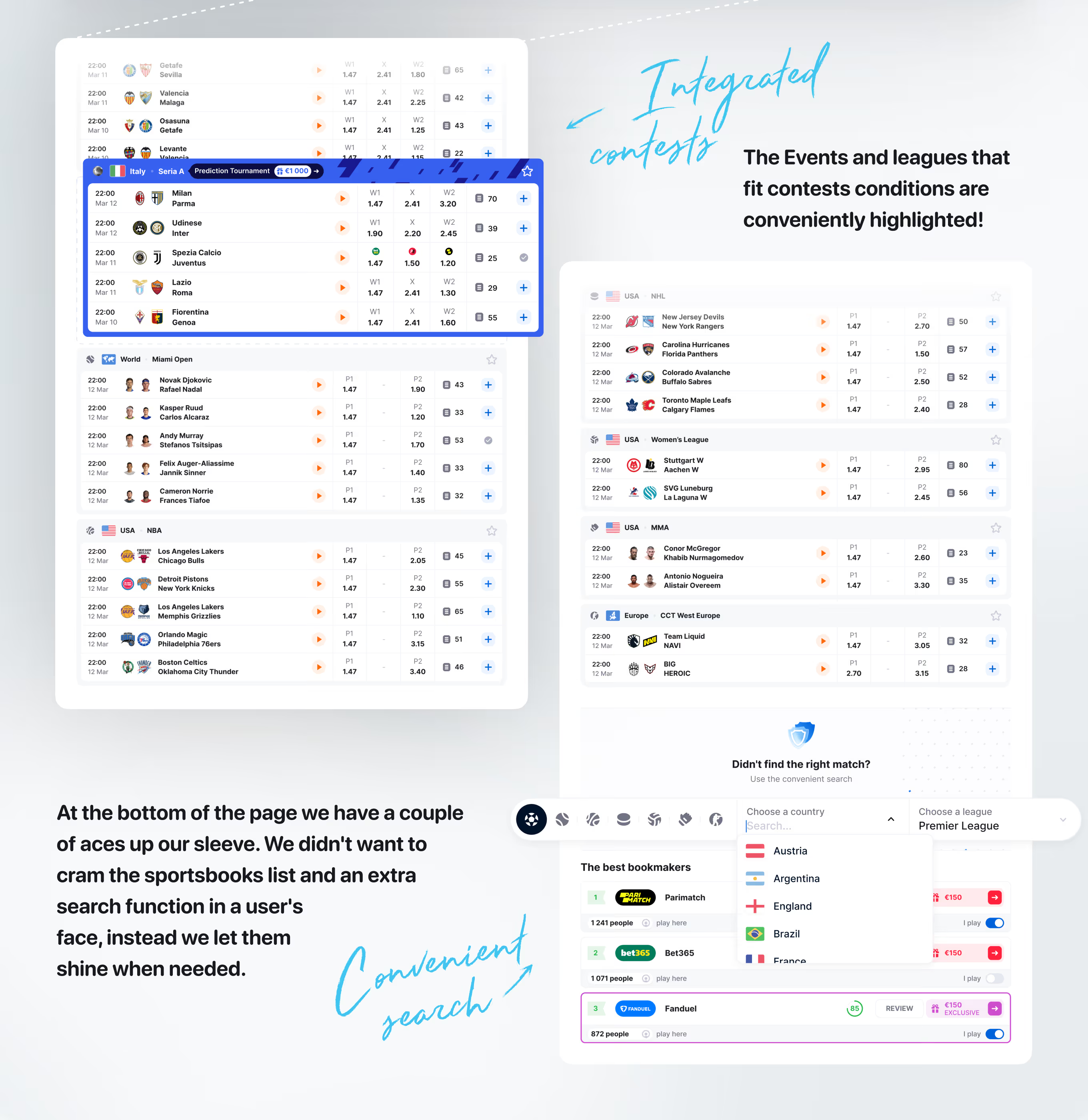
The events page organizes matches by sport, league, and date with favorites pinned on top. Contest-eligible events are highlighted so users see which matches count toward active tournaments.

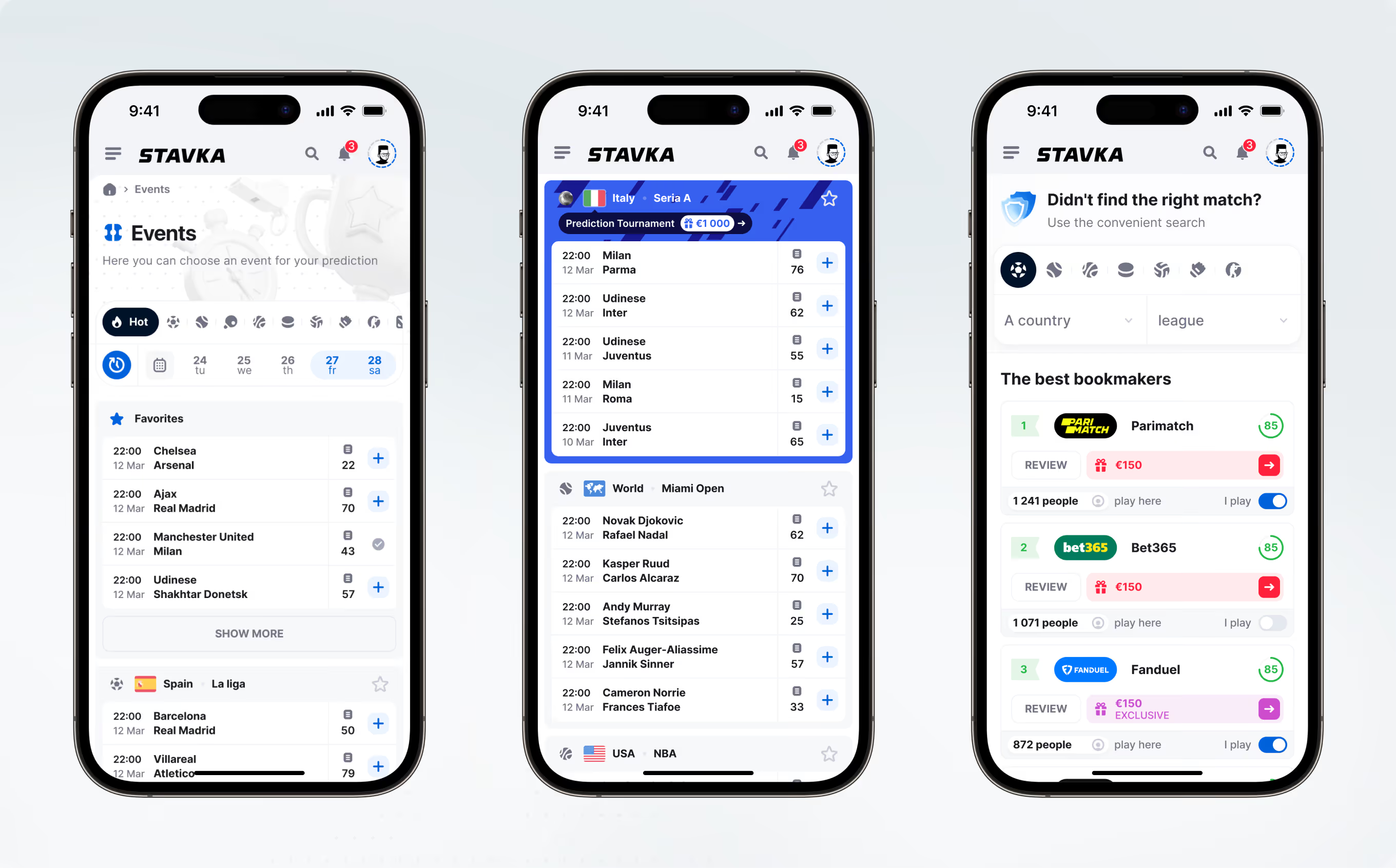
Mobile event lists keep date filters, favorites, and prediction counts within thumb reach. A country-and-league search plus bookmaker ratings help users find a match when browsing fails.
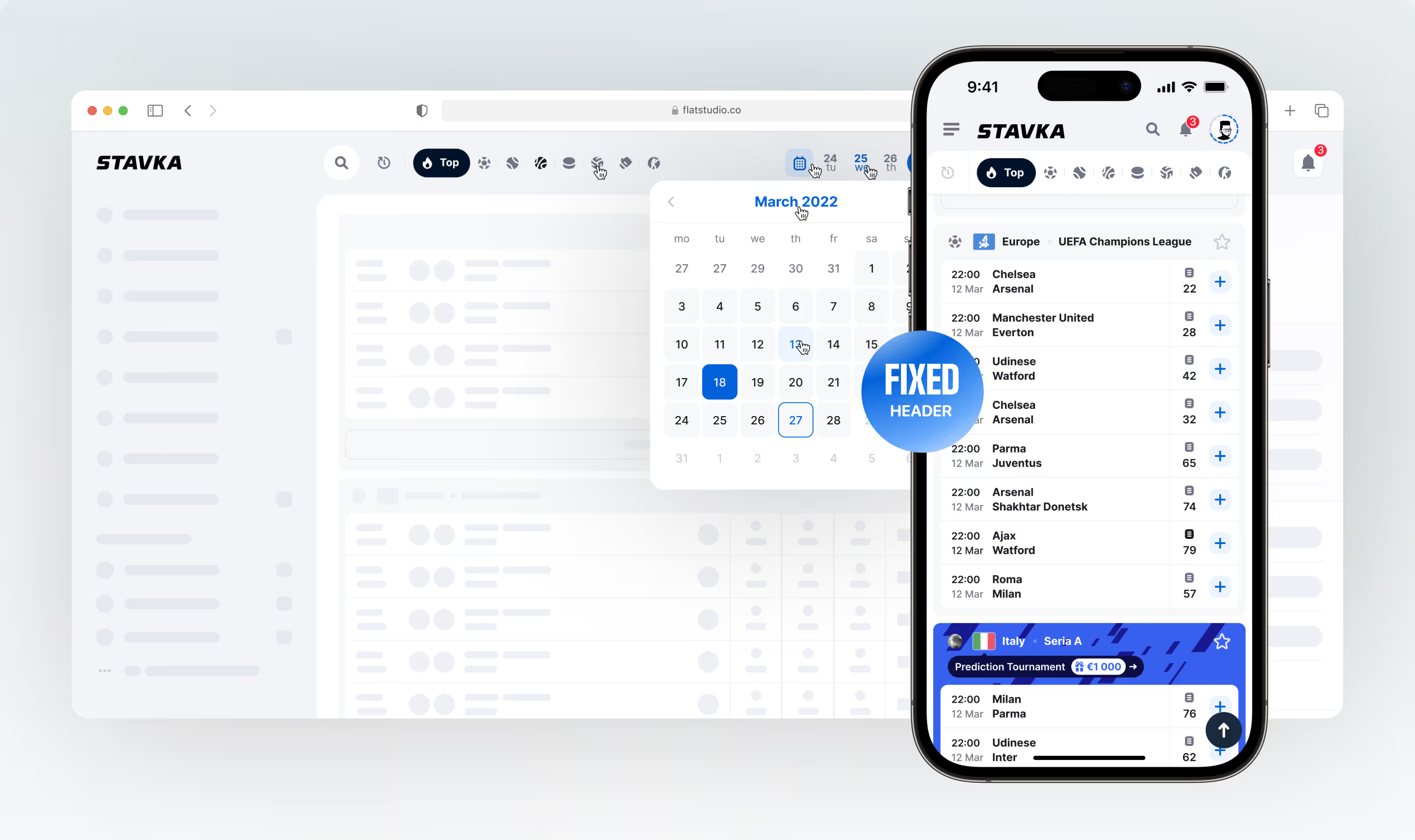
A persistent header keeps sport filters and the calendar available while users scroll long event lists. Switching dates or sports never requires returning to the top of the page.
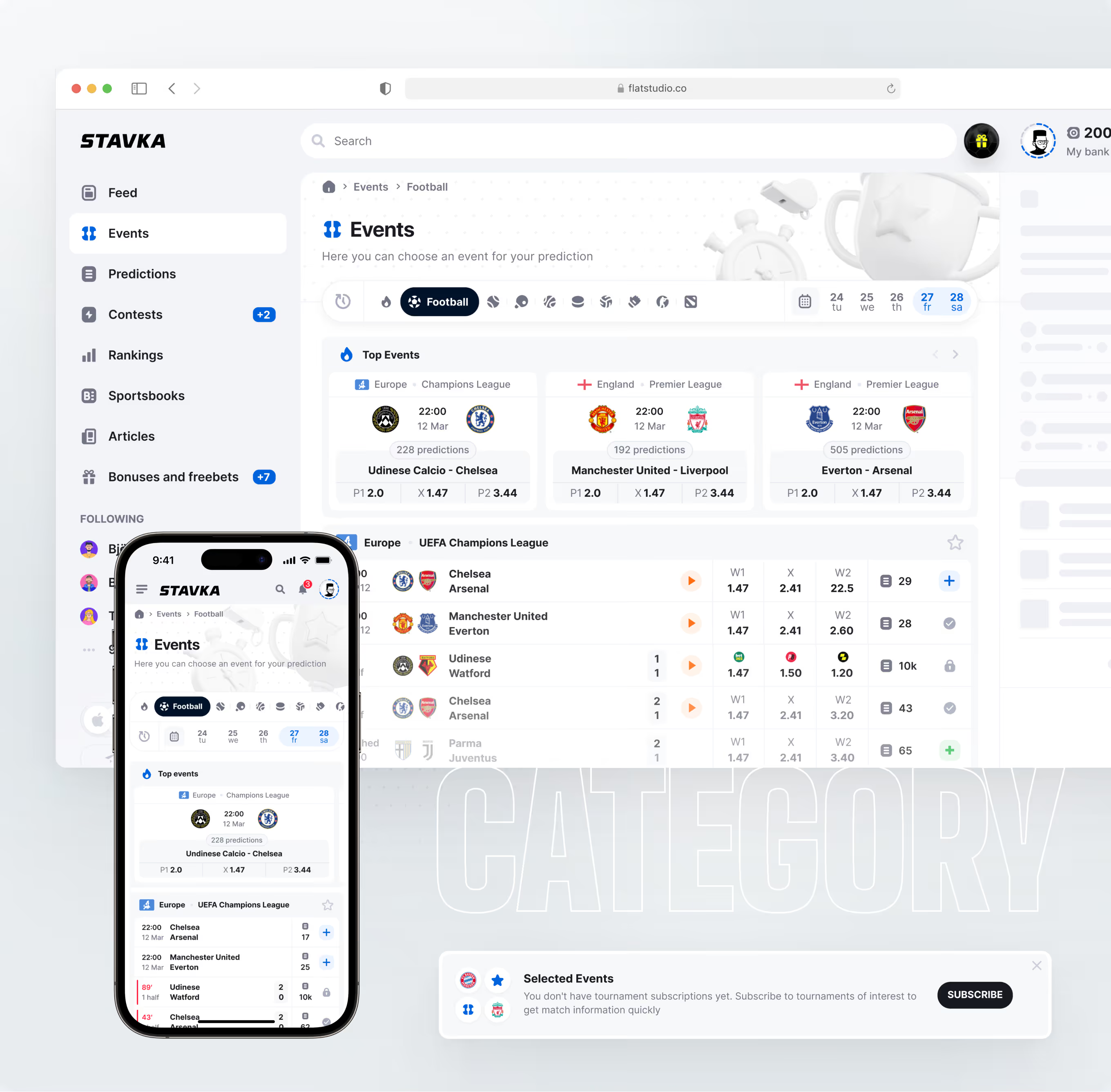
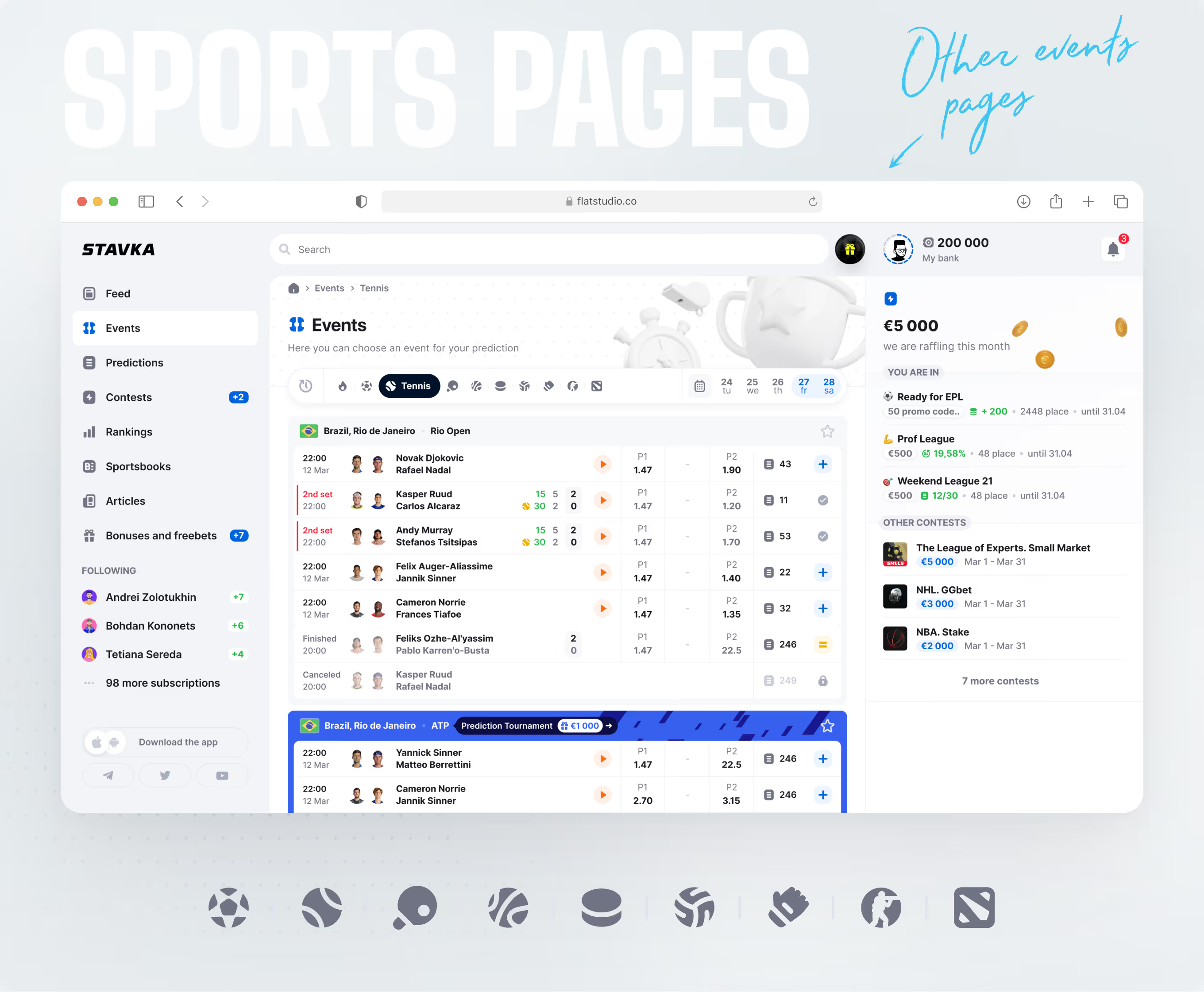
Football, tennis, and other verticals get dedicated event pages with top events and league groupings. A subscription prompt lets users follow tournaments and get match information faster.
Beyond football, the same event structure covers tennis, hockey, MMA, volleyball, and esports – with live set scores and ATP tournament blocks. One component system scales across every sport vertical.
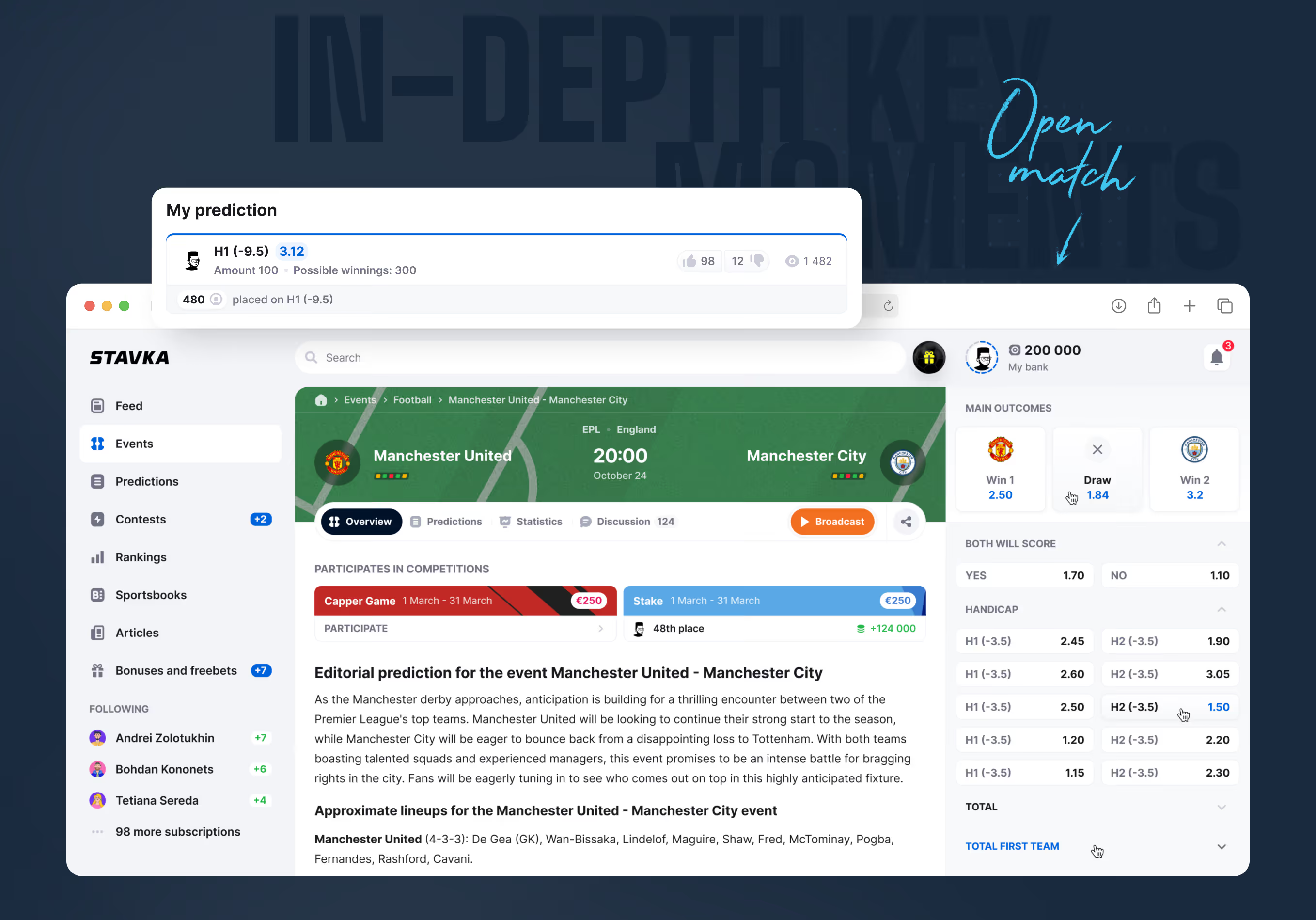
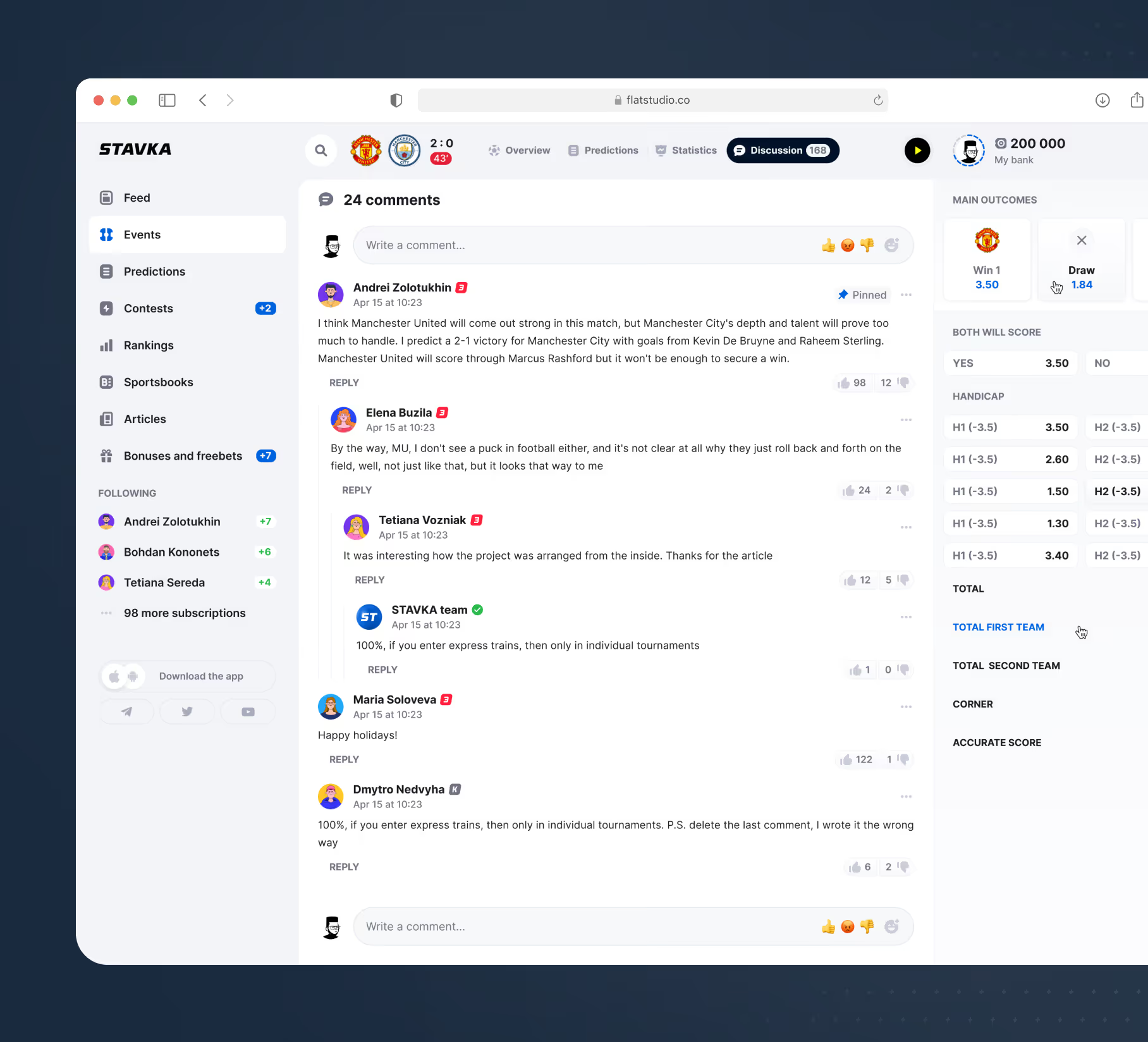
The match page organizes editorial predictions, live odds, and community picks across five analytical tabs — preview, predictions, statistics, trends, discussion.
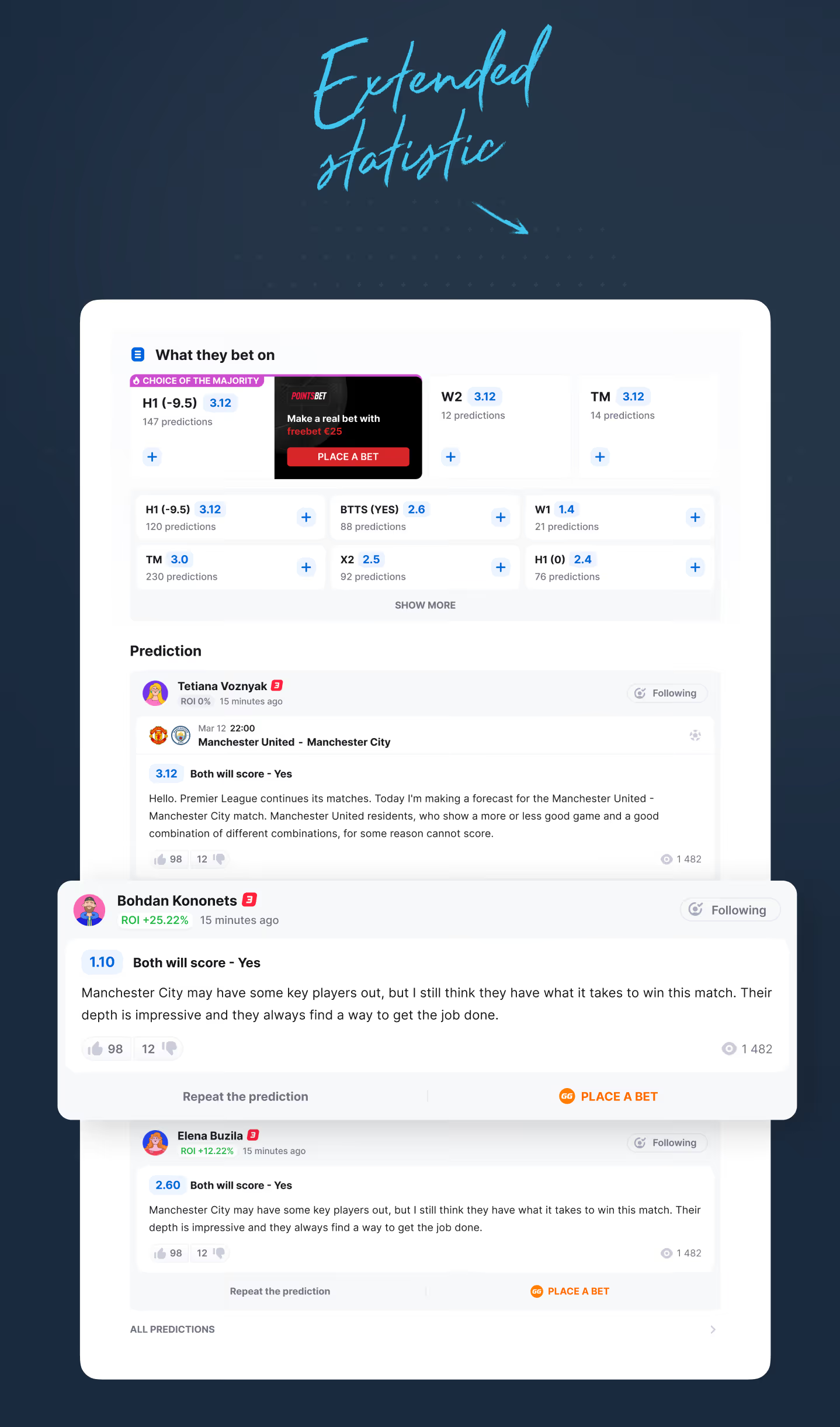
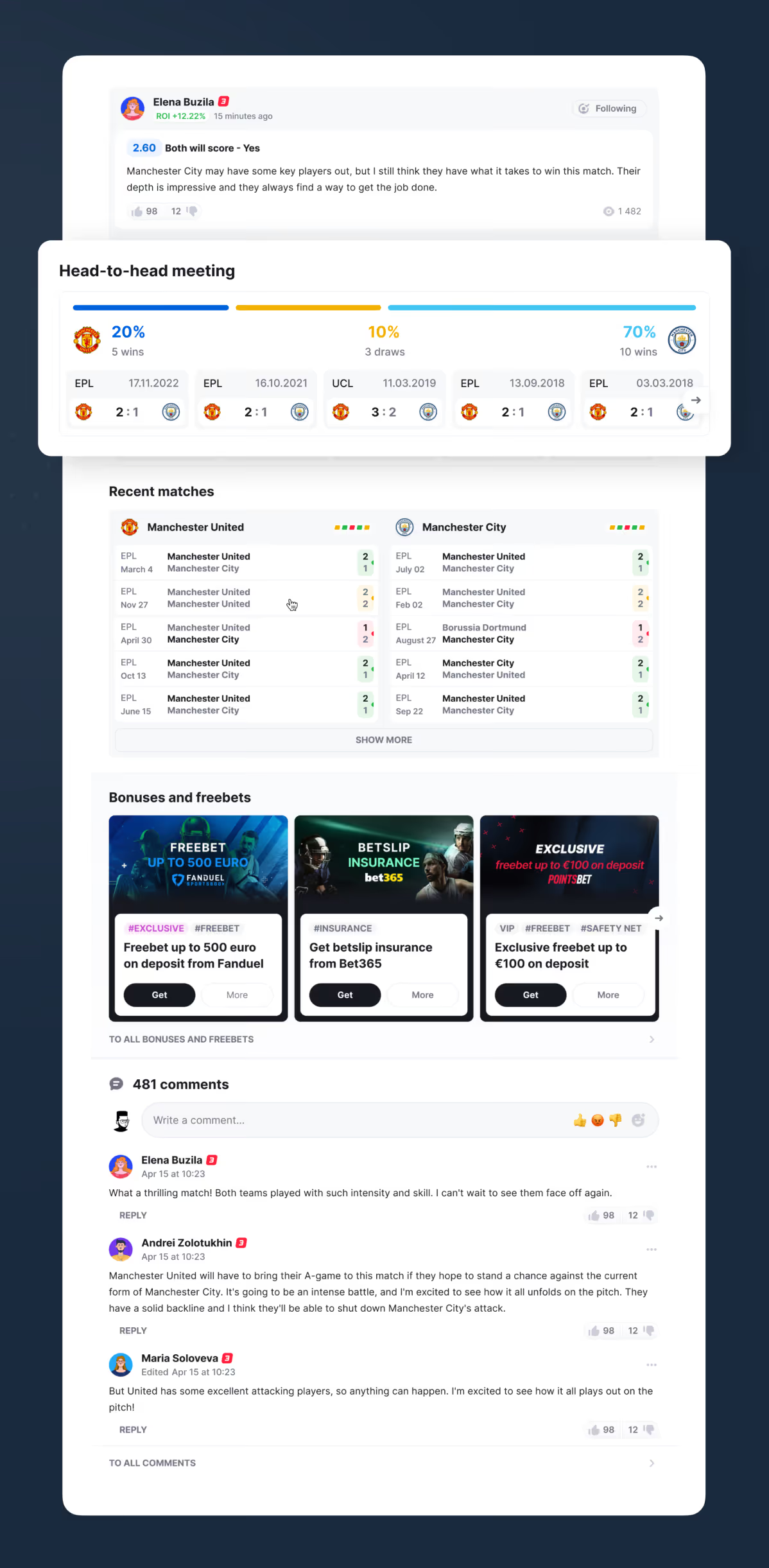
Head-to-head records, broadcast access, and popular bet distribution adapt to mobile match pages. The "what they bet on" block shows prediction counts per outcome before a user commits.
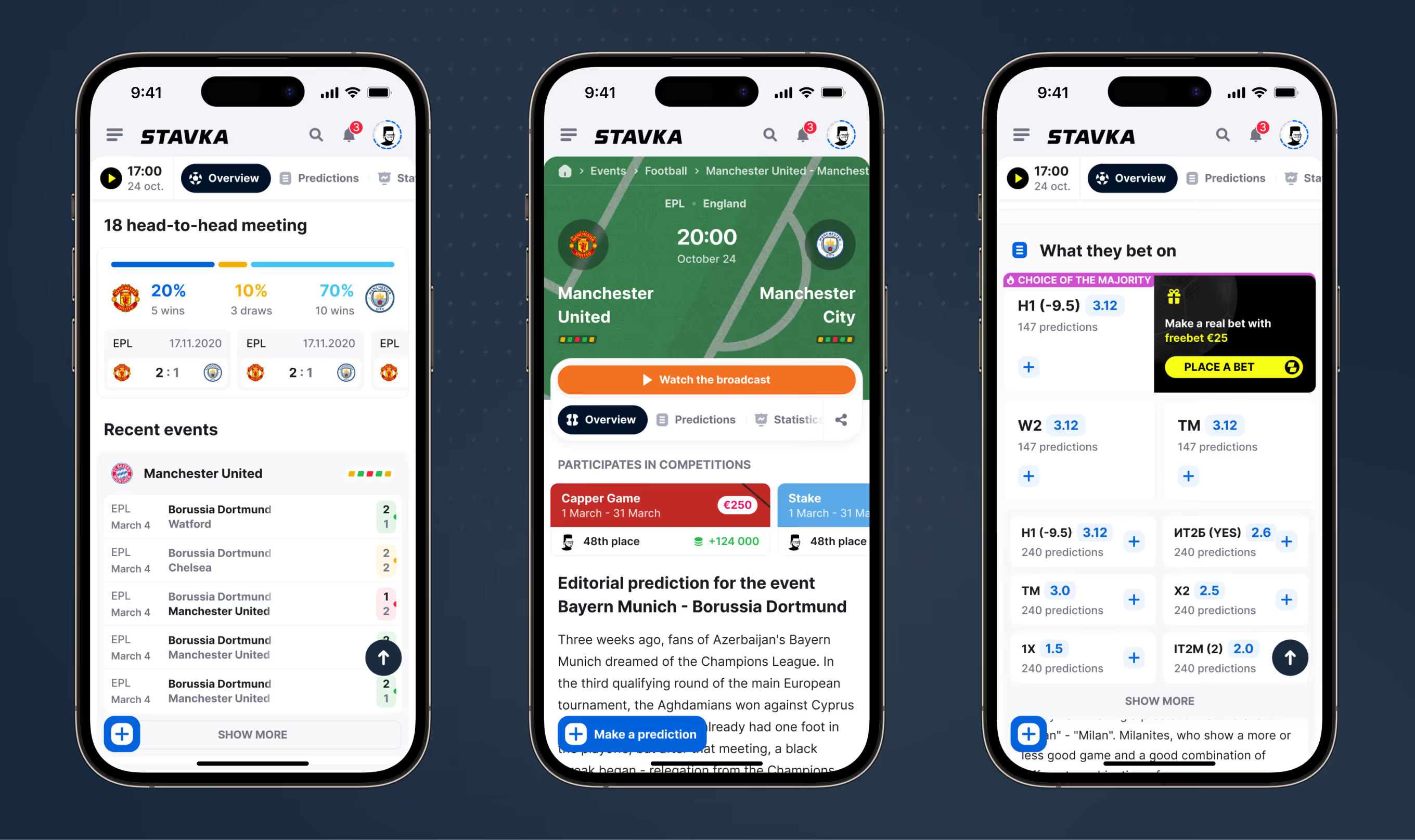
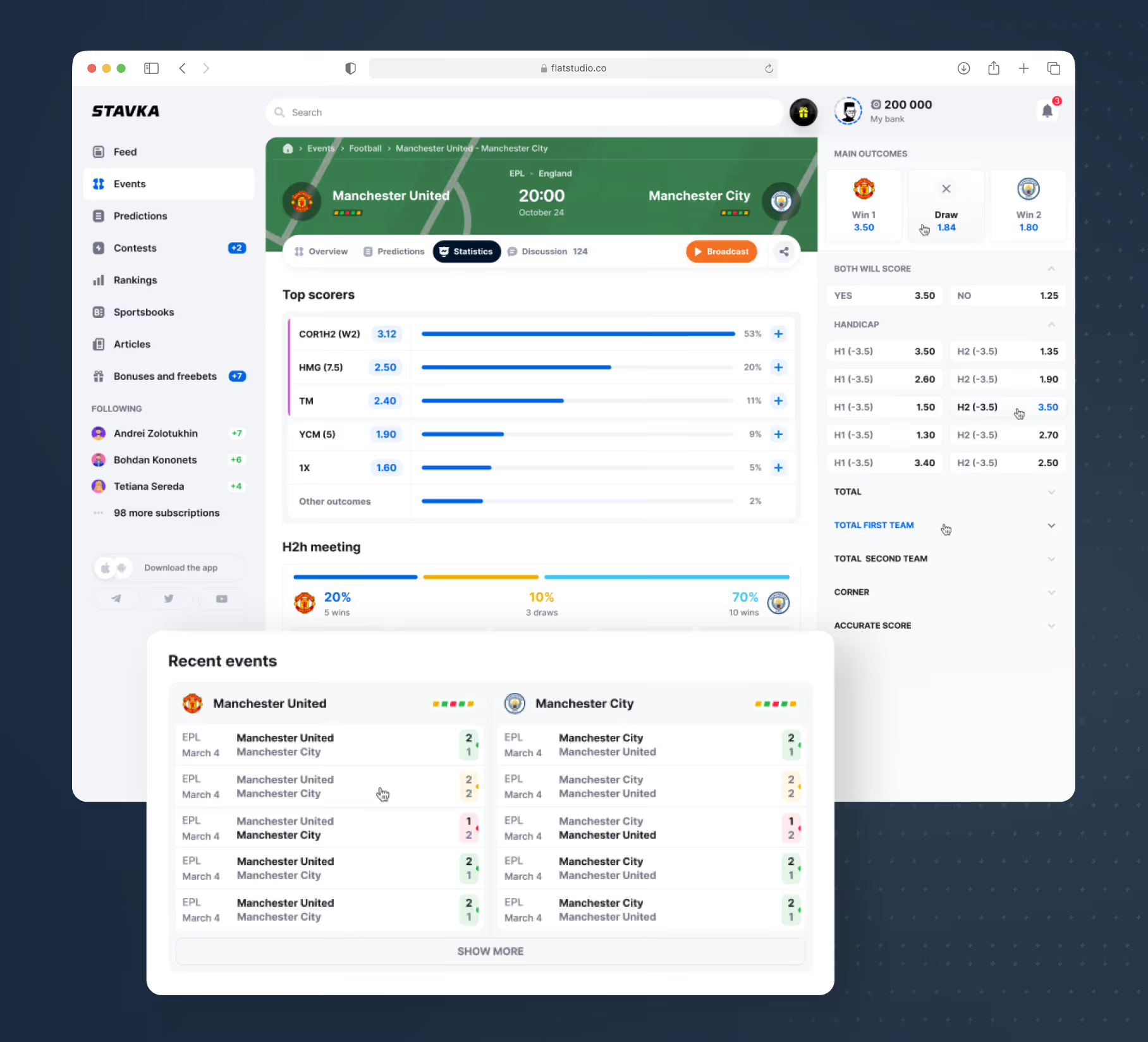
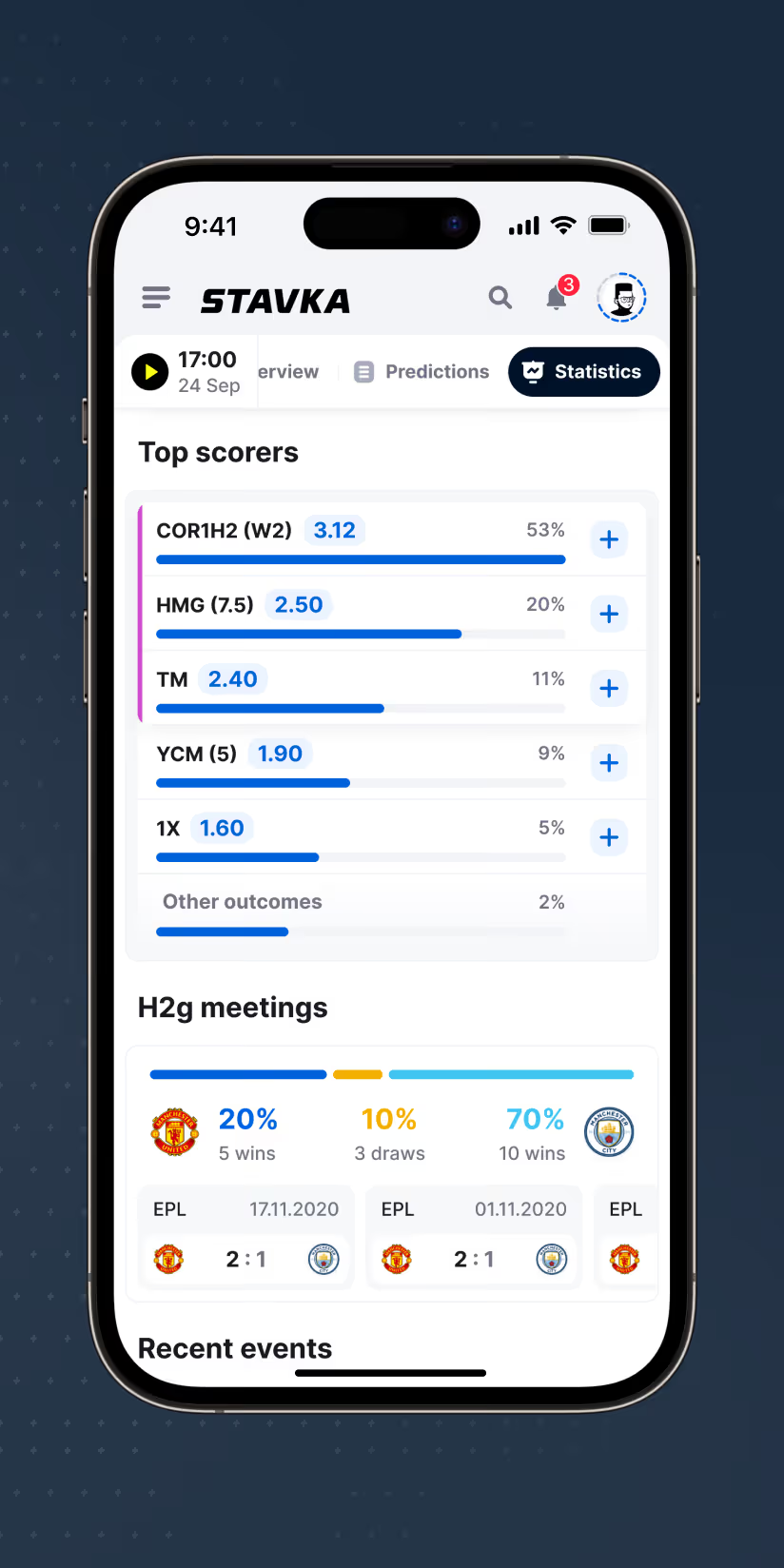
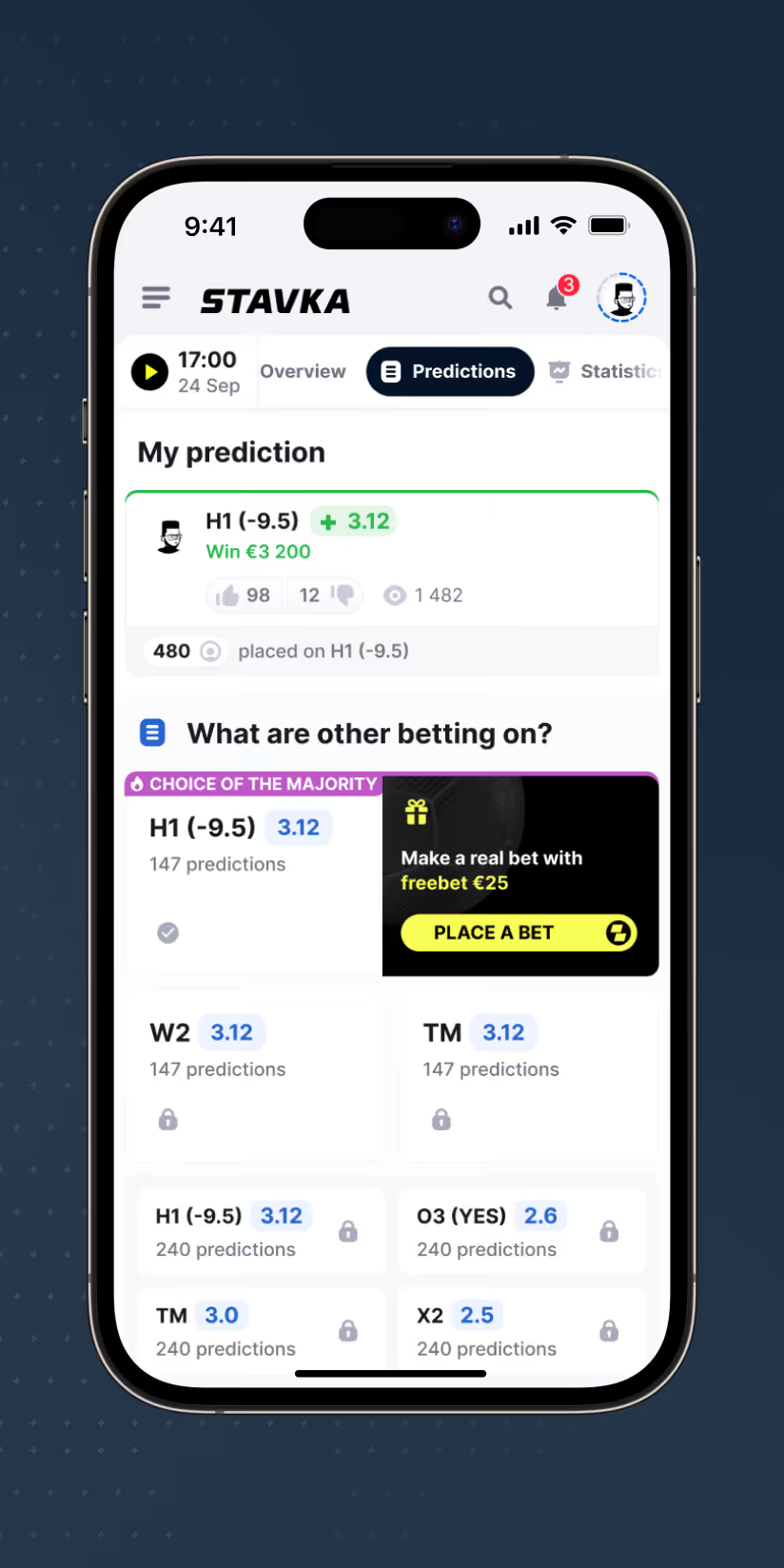
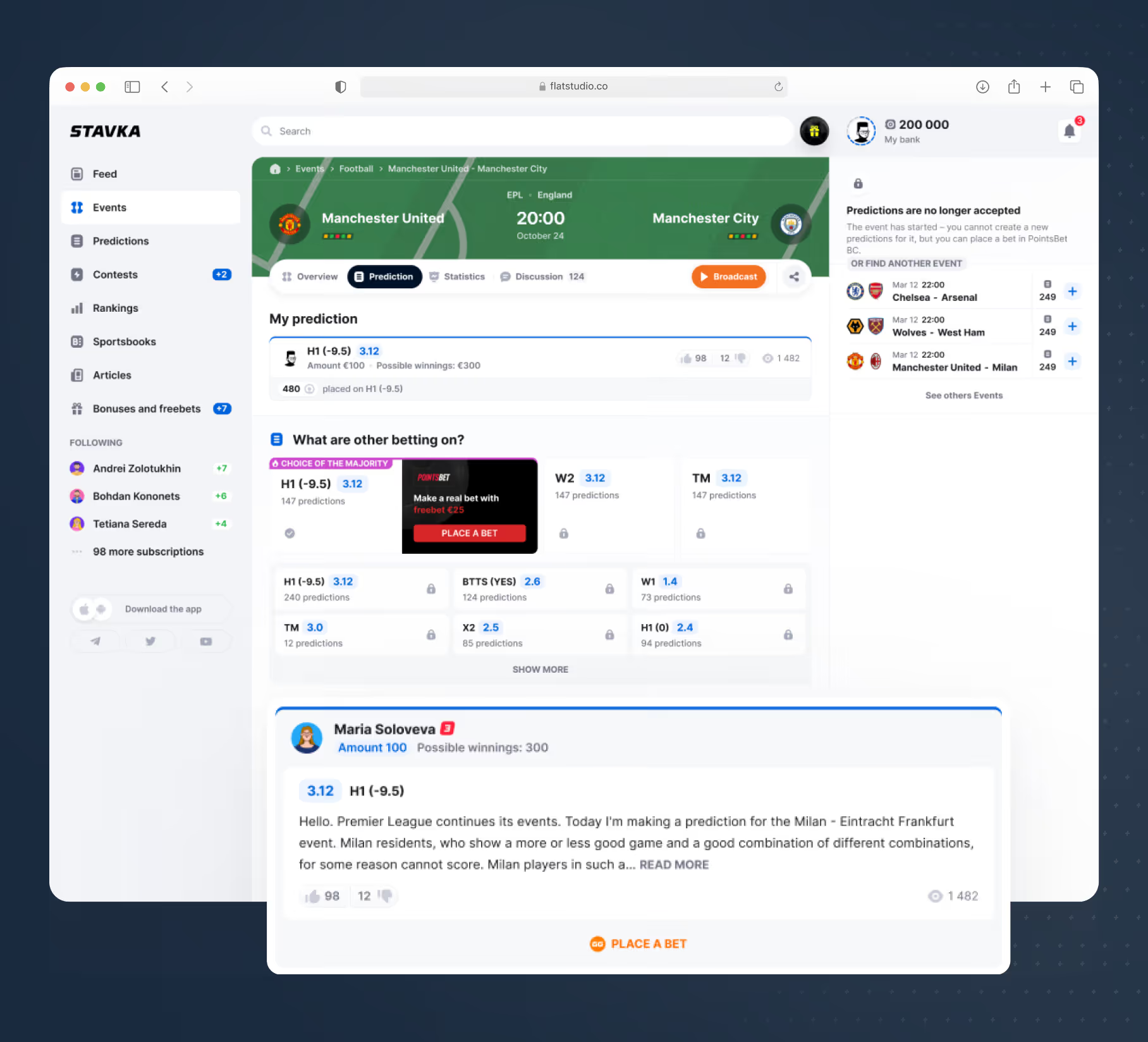
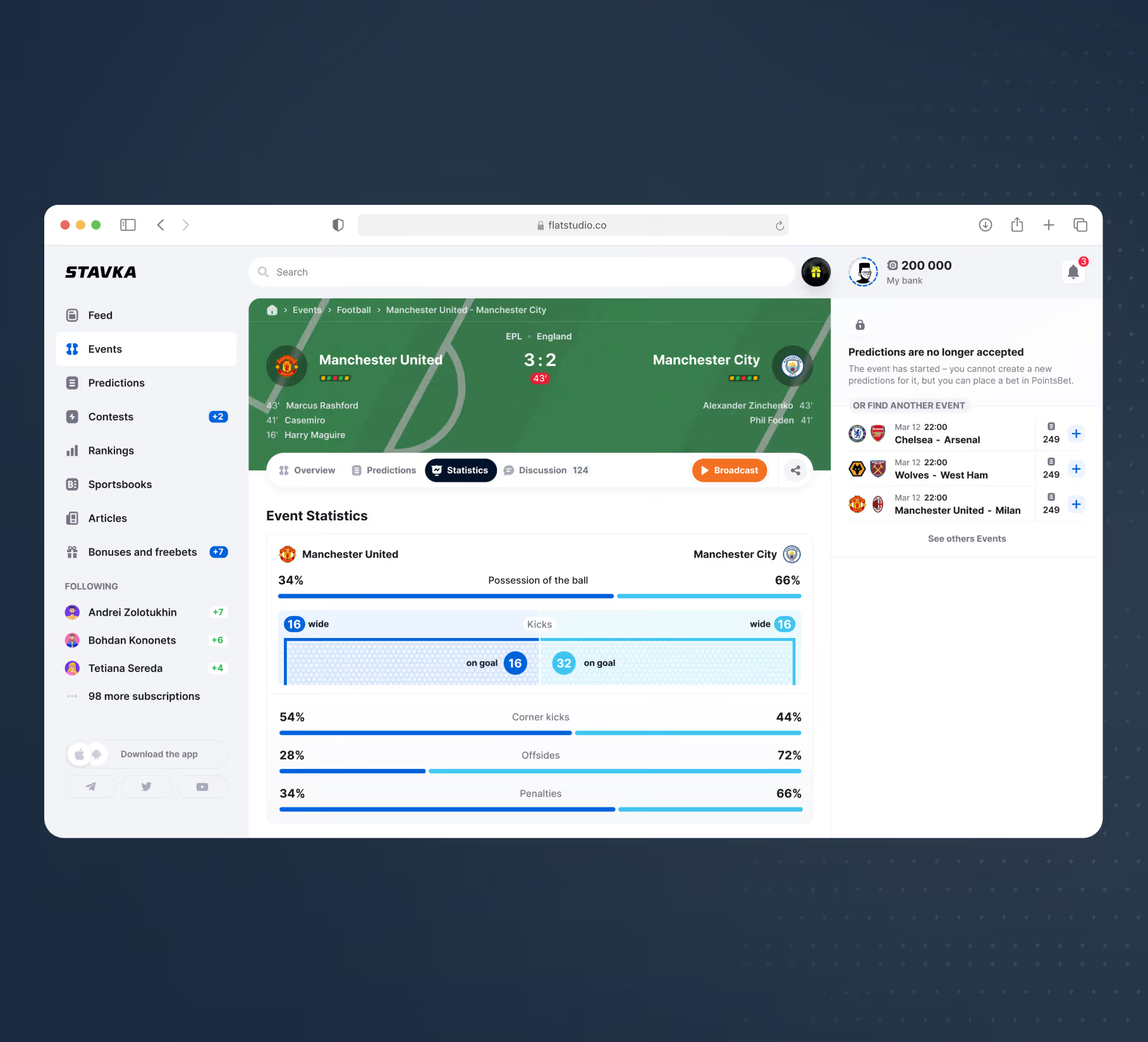
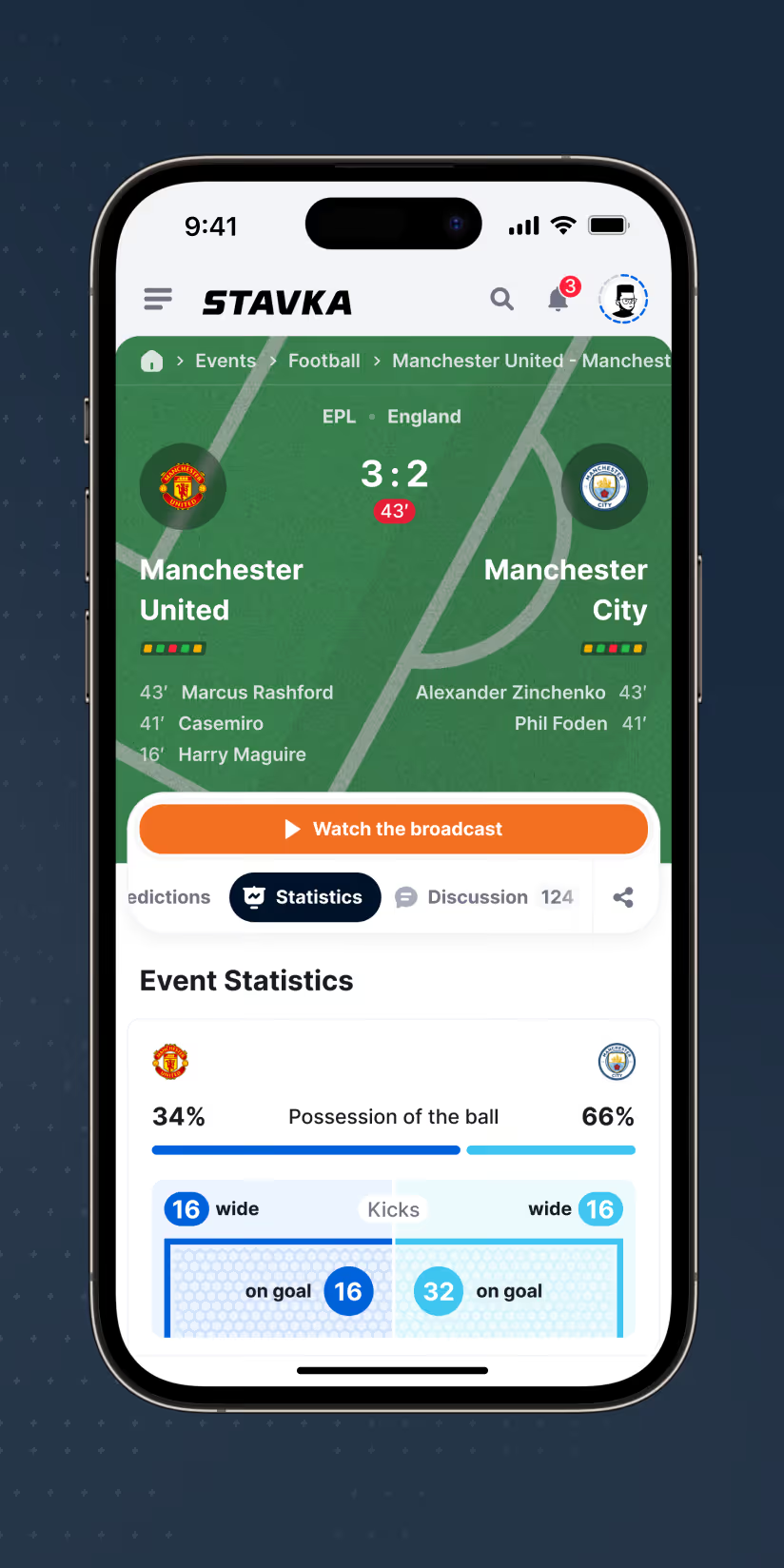
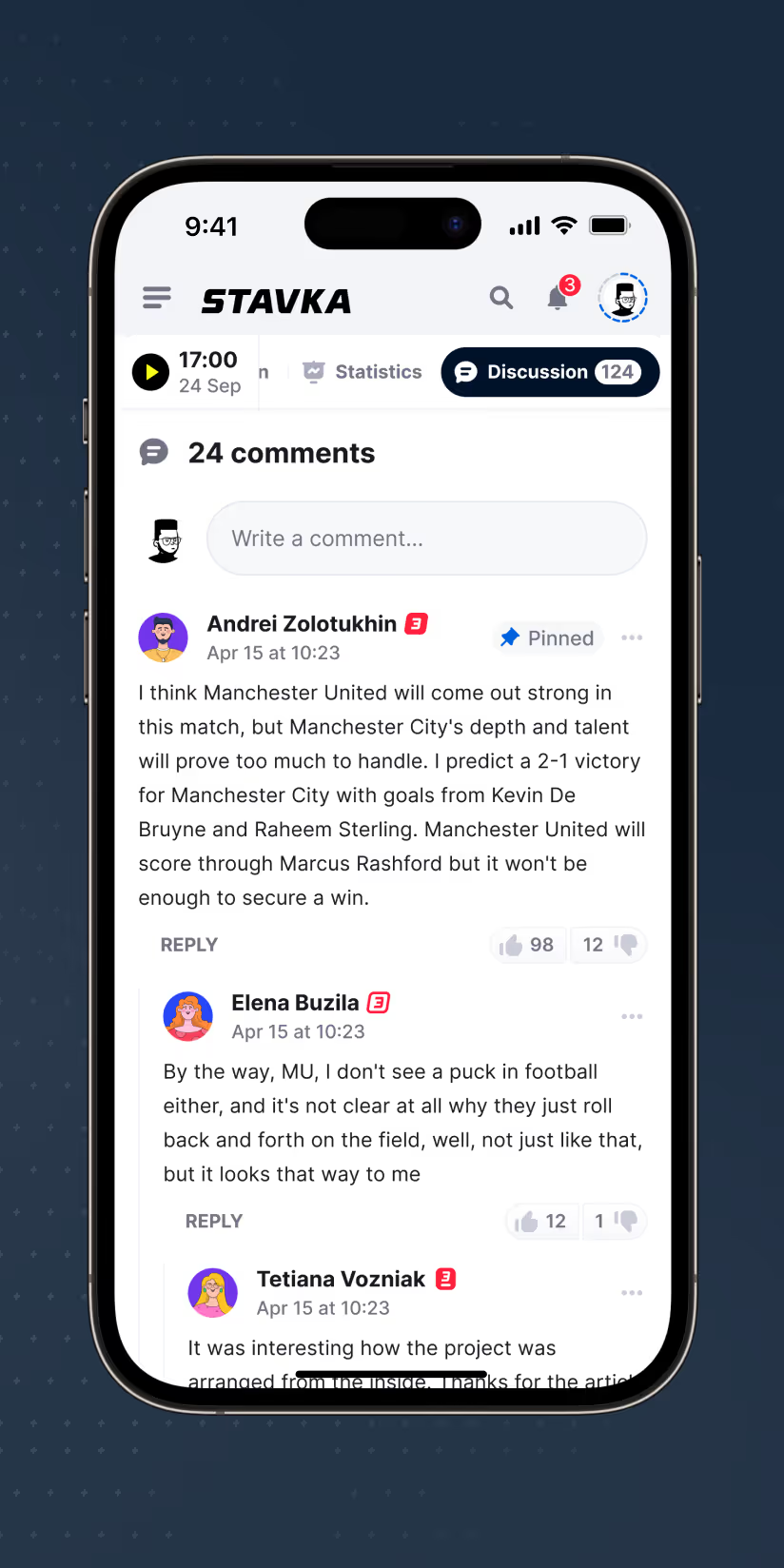
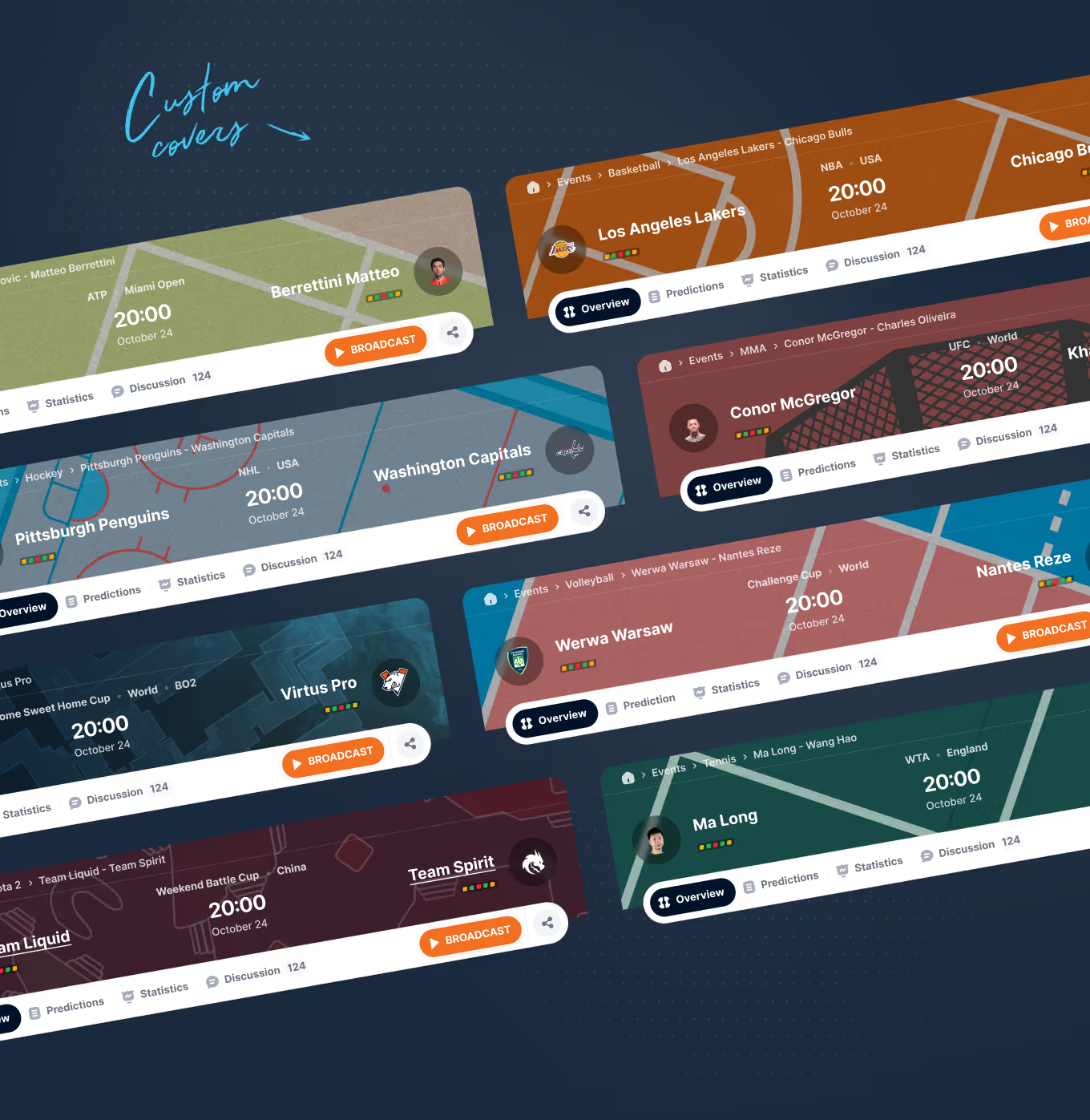
Each sport carries a custom cover system – basketball, hockey, MMA, tennis, volleyball, and esports get distinct court-inspired headers. Covers keep team names, start time, and broadcast actions readable over the artwork.
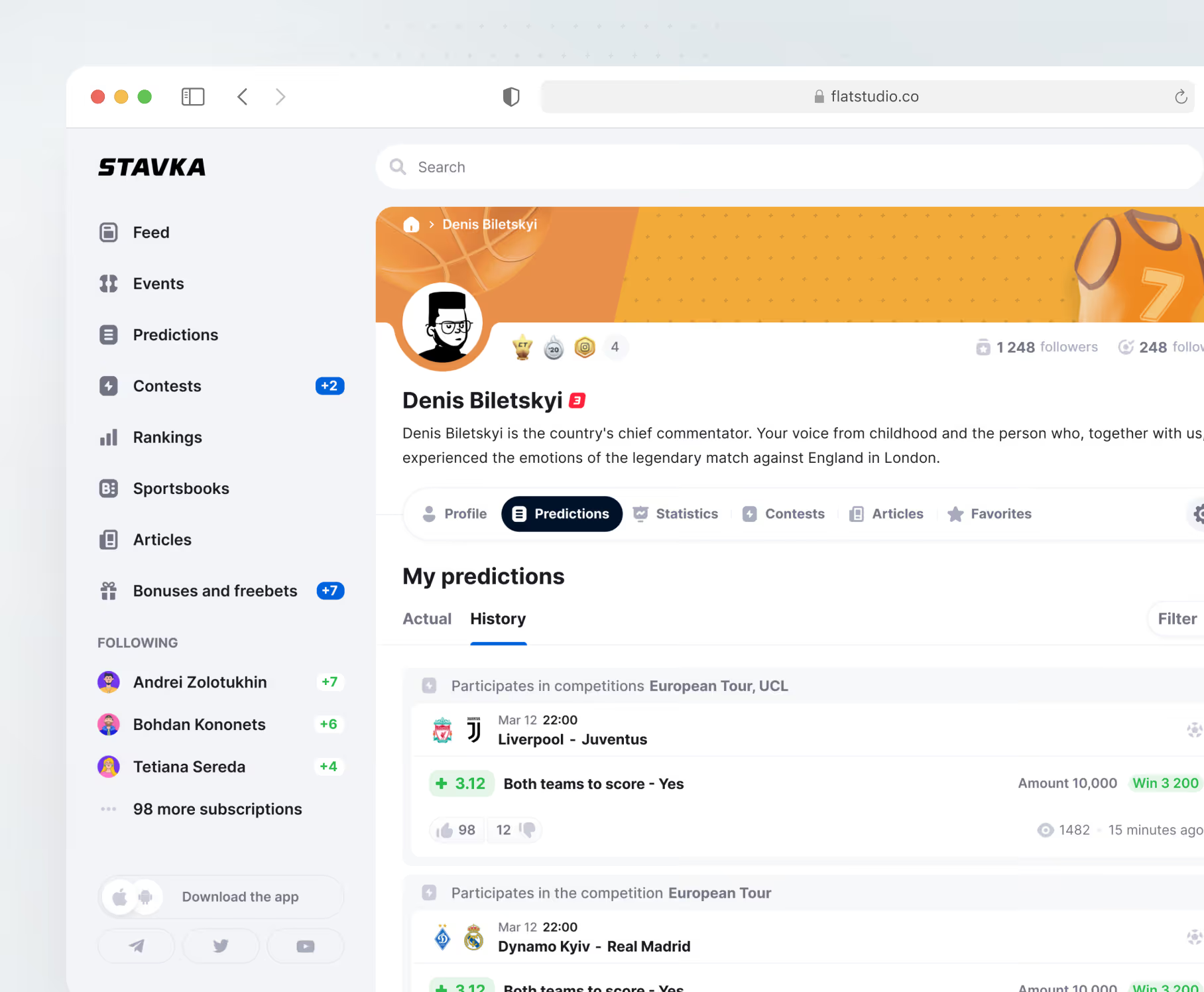
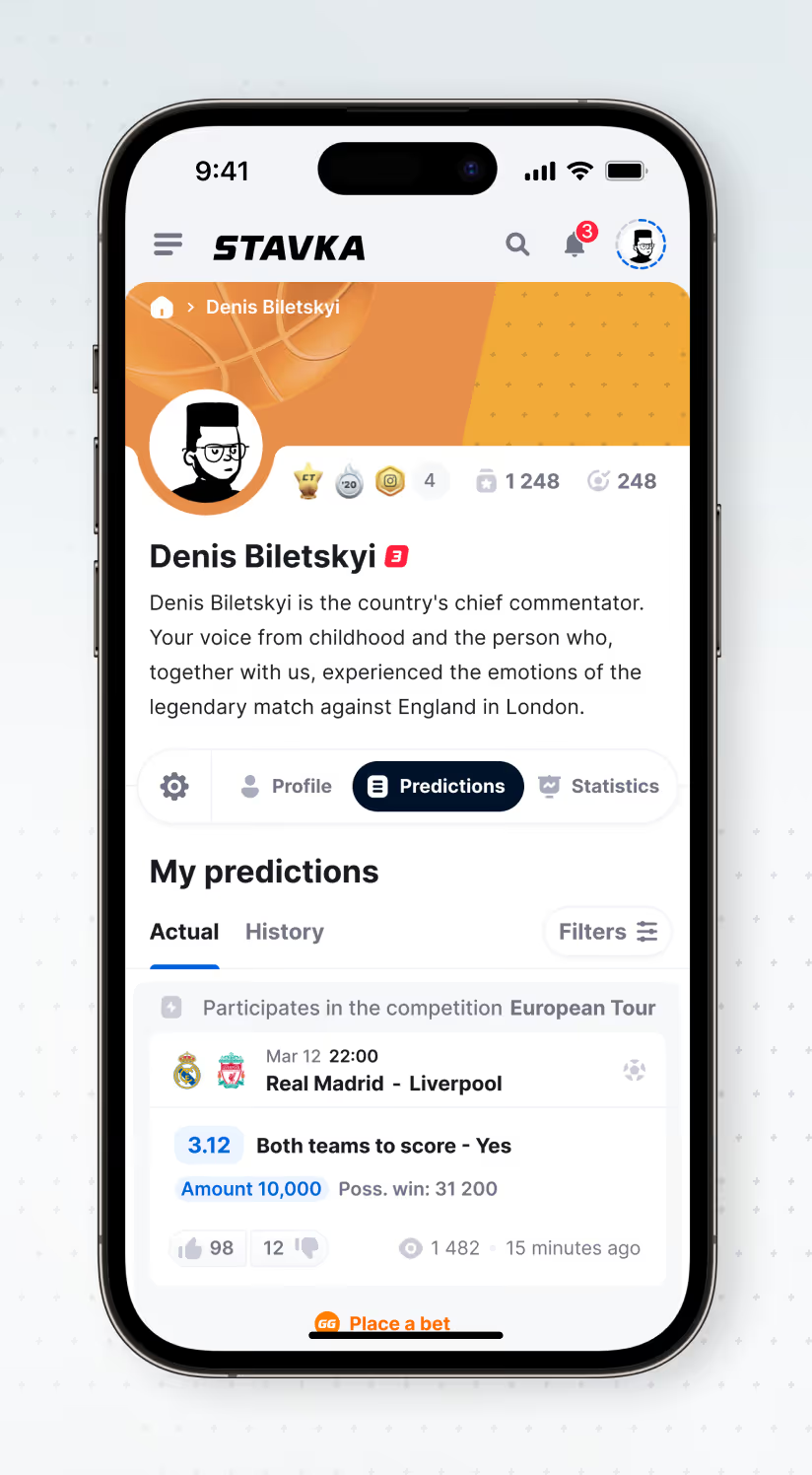
The predictions section filters posts by time window, odds, sport, and predictioner. Each prediction pairs the author's ROI with repeat-prediction and place-a-bet actions on desktop and mobile.

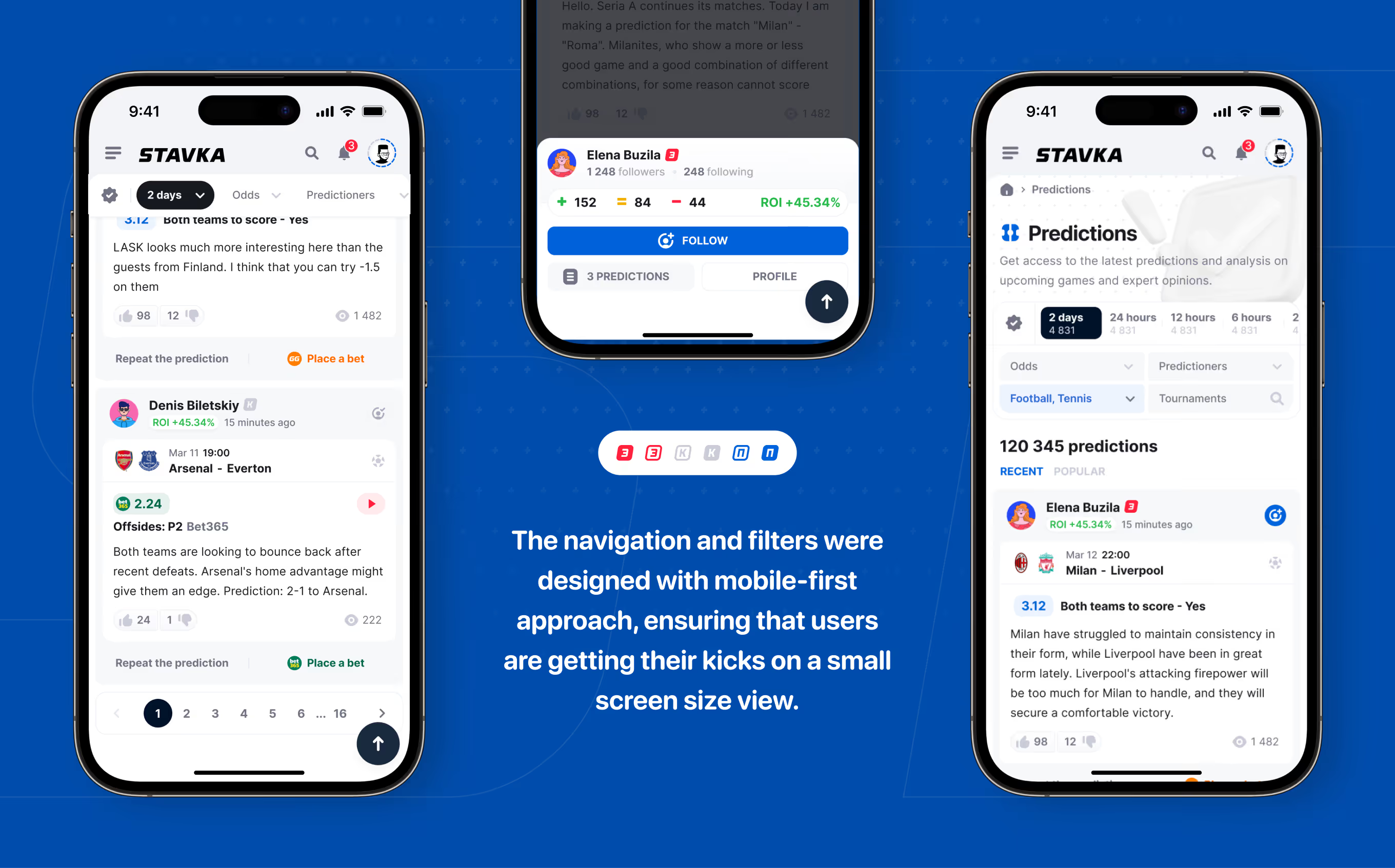
Users follow predictioners directly from the feed, with win/loss records and ROI shown in a hover card. Following builds a personal source list that feeds the home and predictions pages.
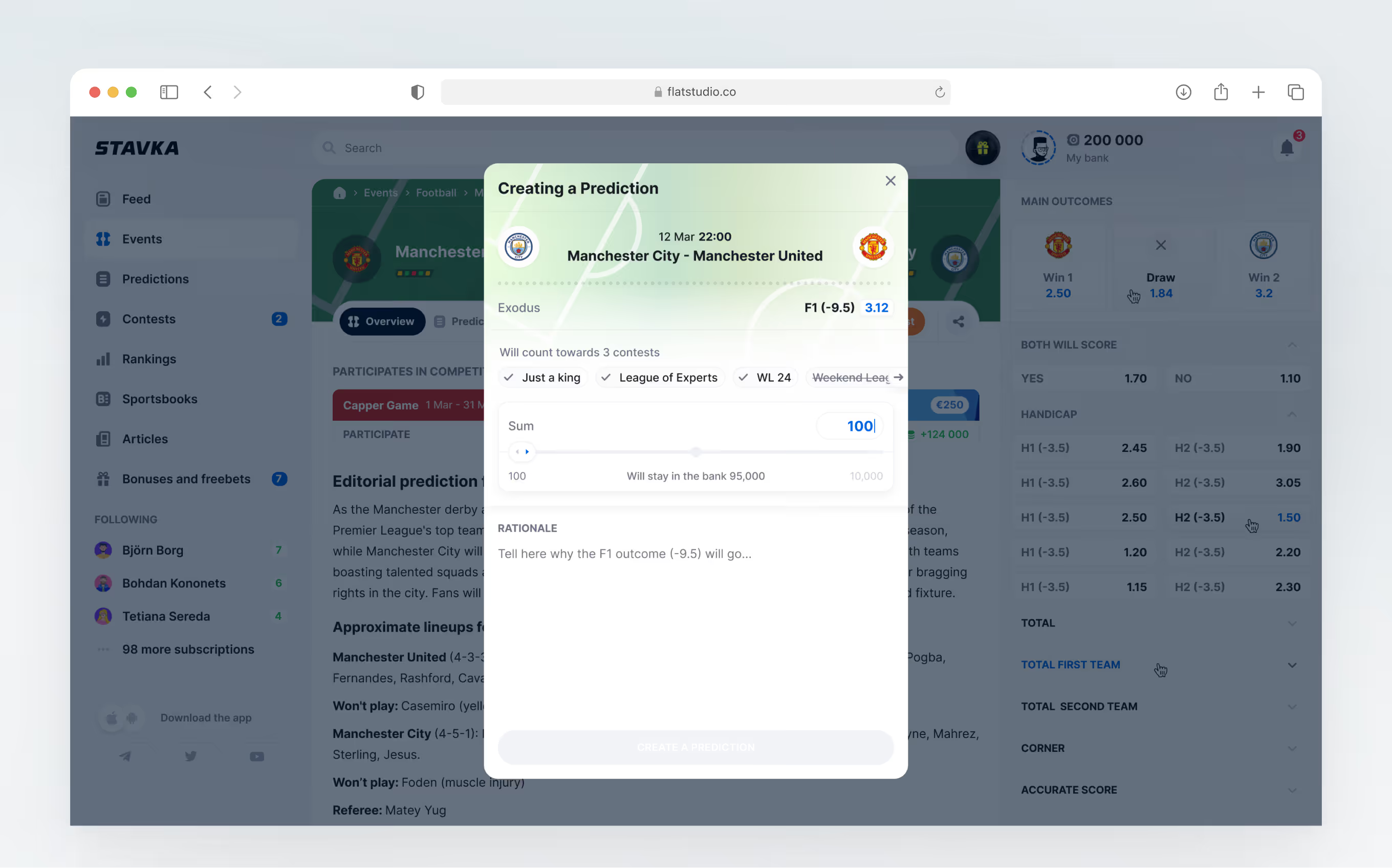
The creation modal pulls match context, counts the entry toward active contests, and caps the stake against the user's bank. A rationale field asks predictioners to explain their pick before publishing.
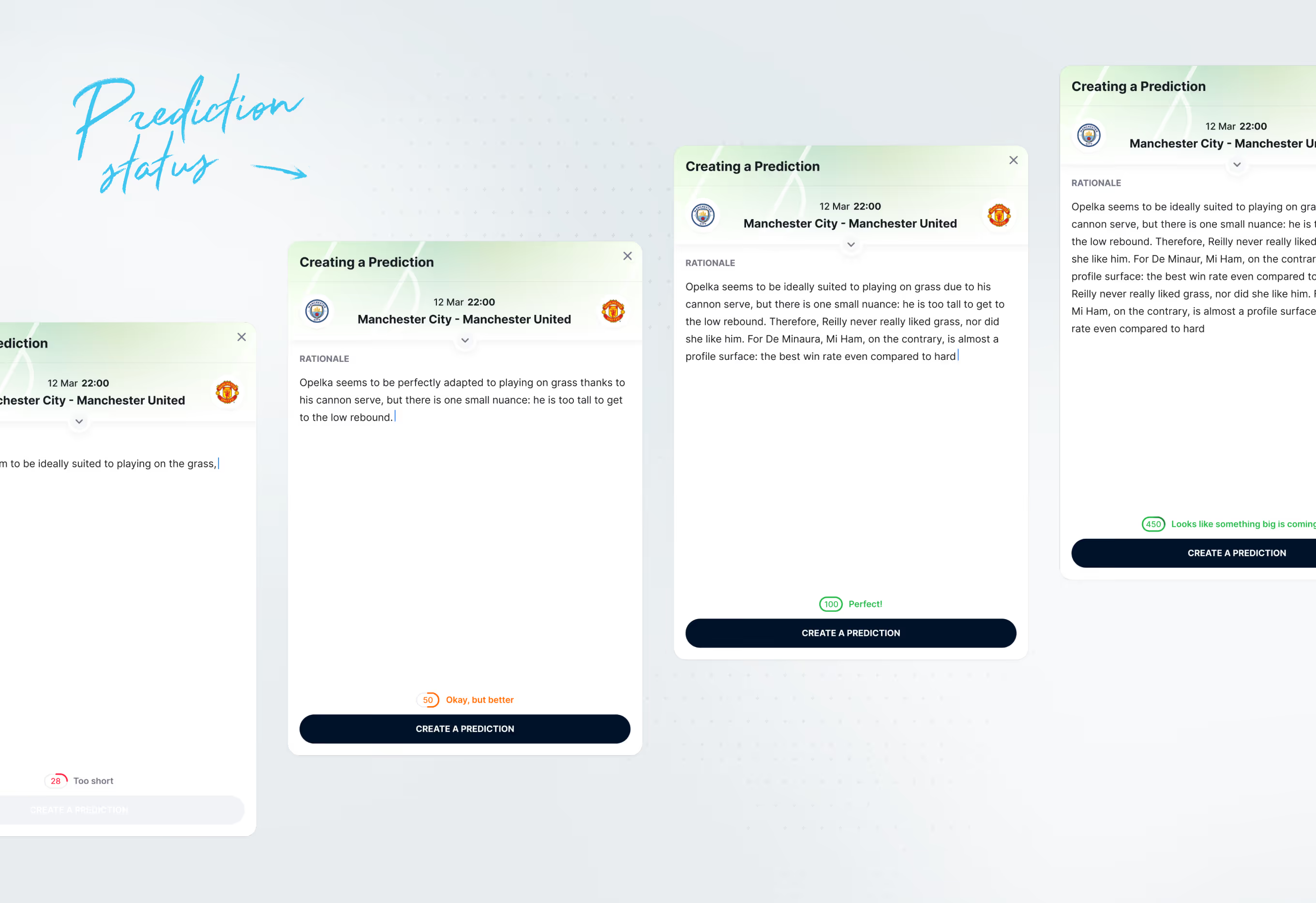
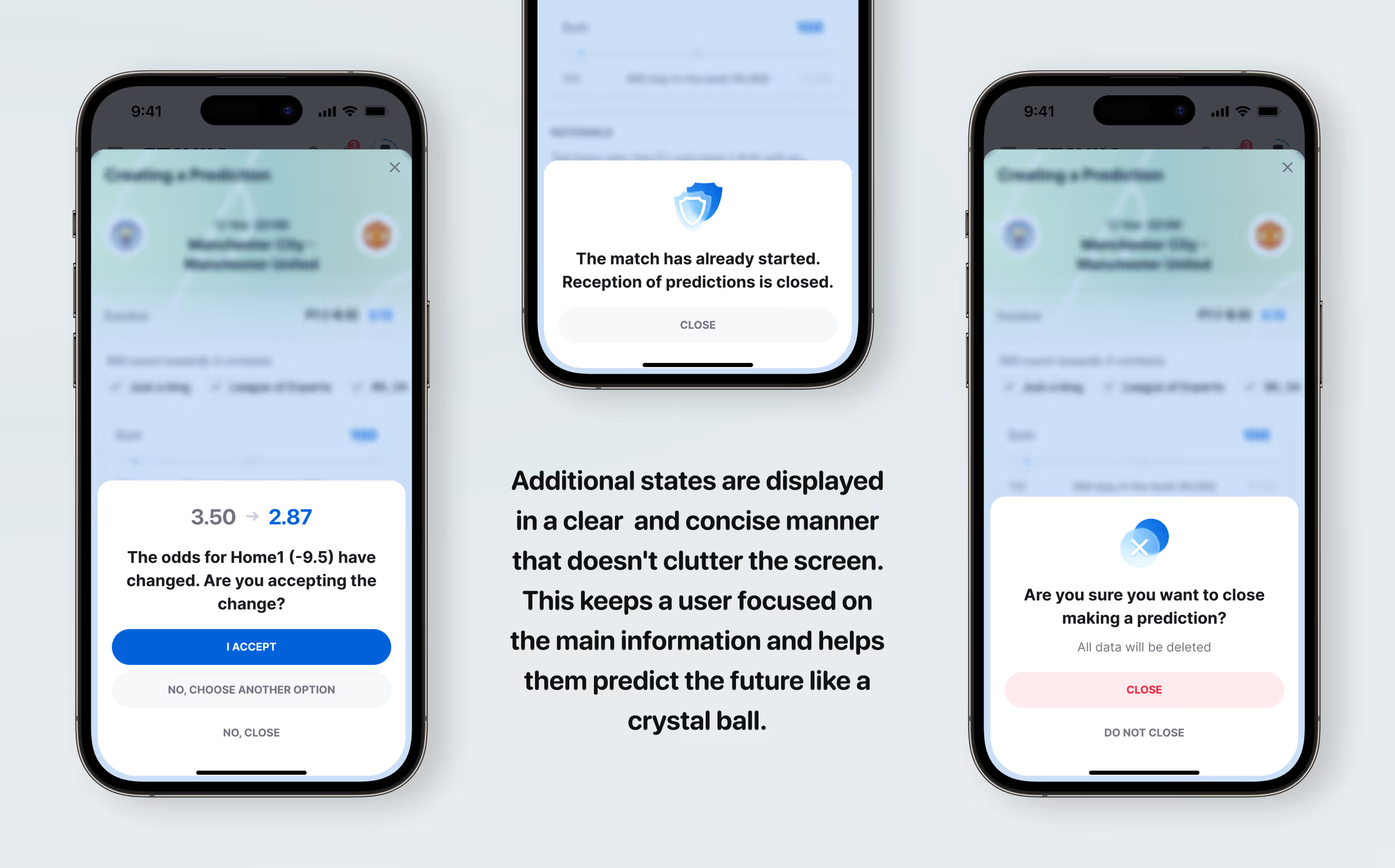
Rationale length, odds changes, closed matches, and exit confirmations each get a distinct state. Validation nudges – too short, okay, perfect – push predictioners toward fuller reasoning without blocking them.
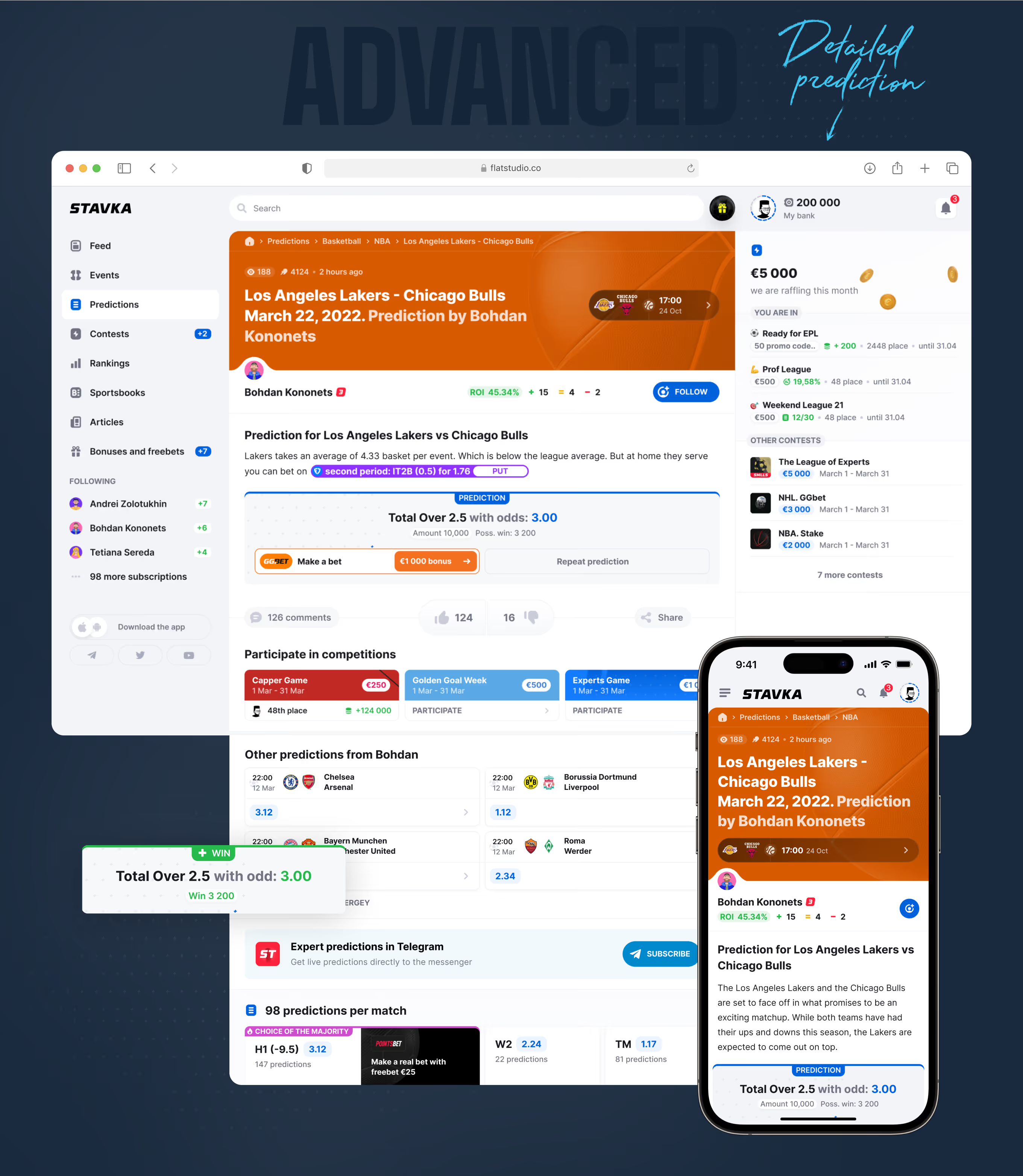
Each prediction gets a full page with the author's ROI, comments, contest entries, and bookmaker offers. Related picks and per-match prediction counts turn a single post into a discovery surface.

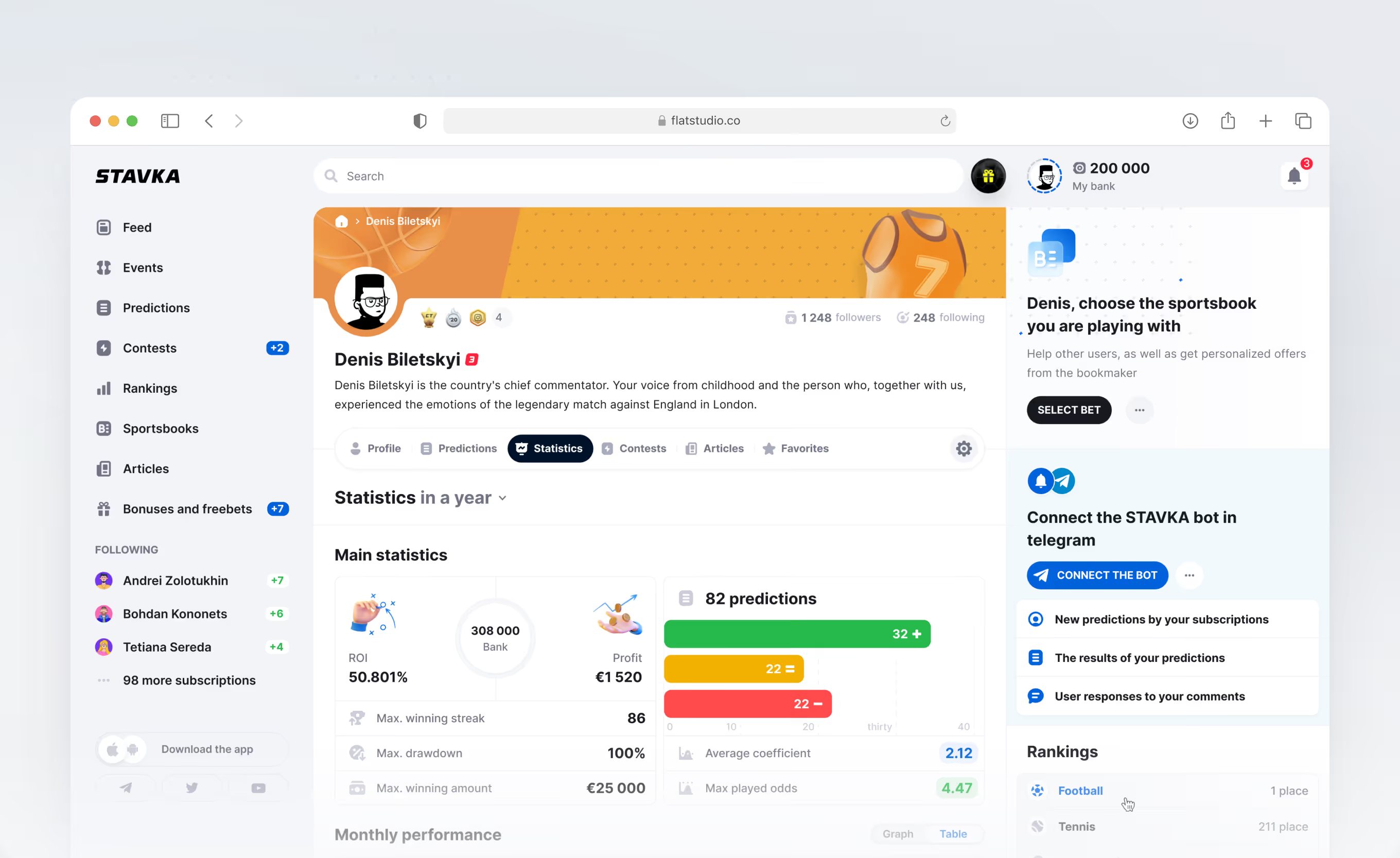
Each predictioner gets a public profile with followers, sport rankings, and a Predictions tab split into Actual and History. This page shows 1,248 followers and a 1st-place football ranking.
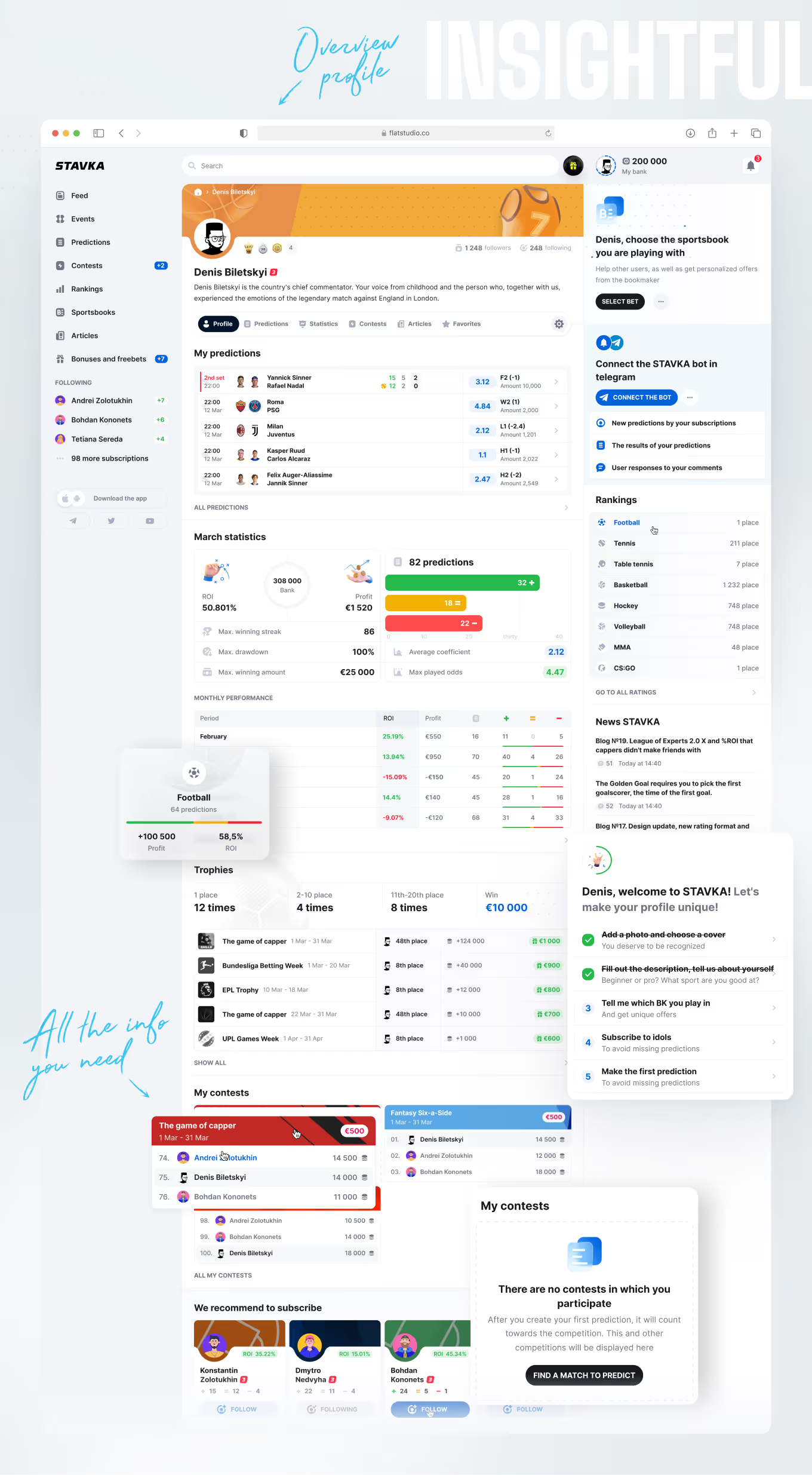
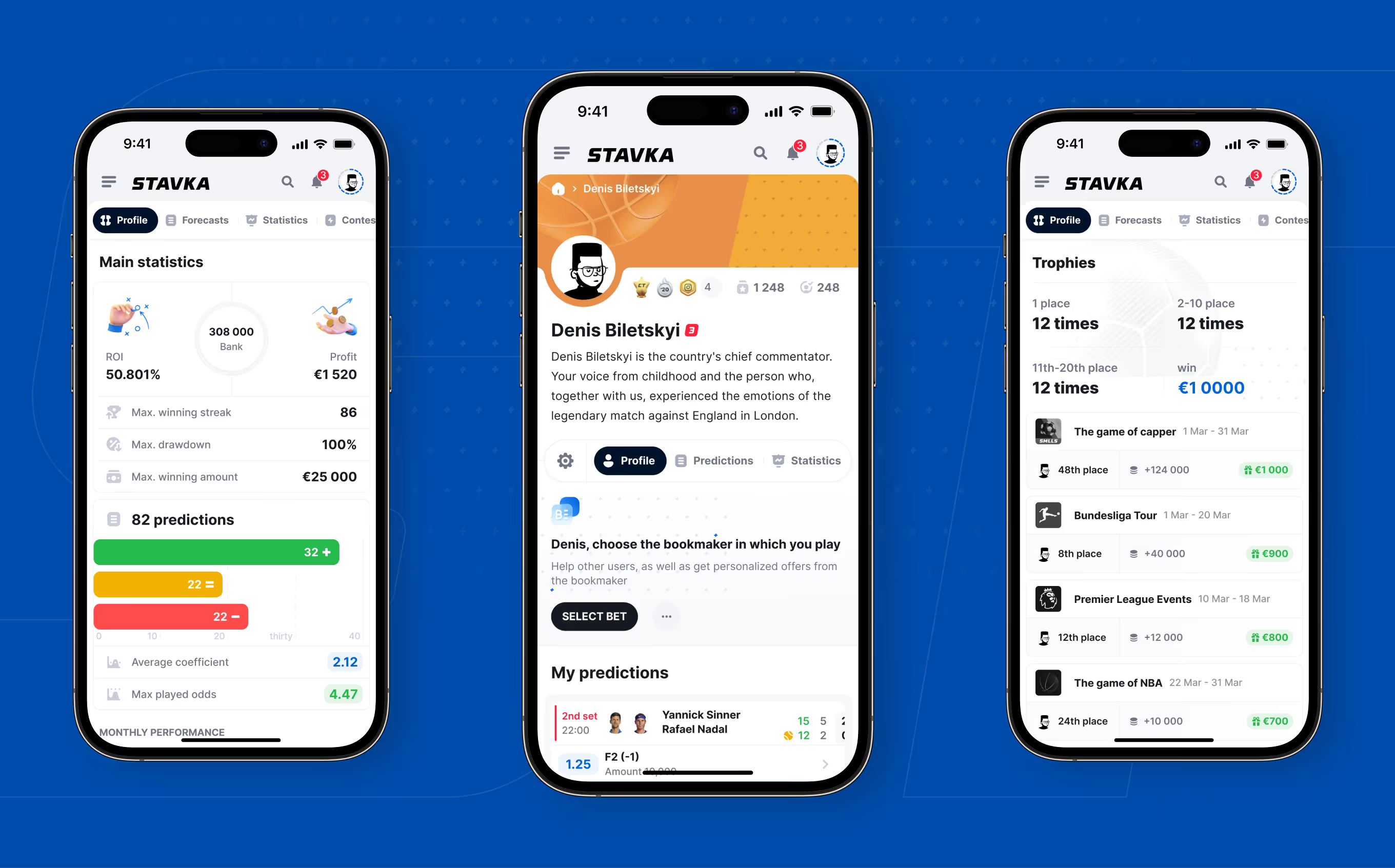
The Statistics tab breaks down ROI, bank, profit, and win streaks per predictioner, plus a per-sport performance split. This profile shows 50.801% ROI across 82 predictions and a 4.47 max played odds.
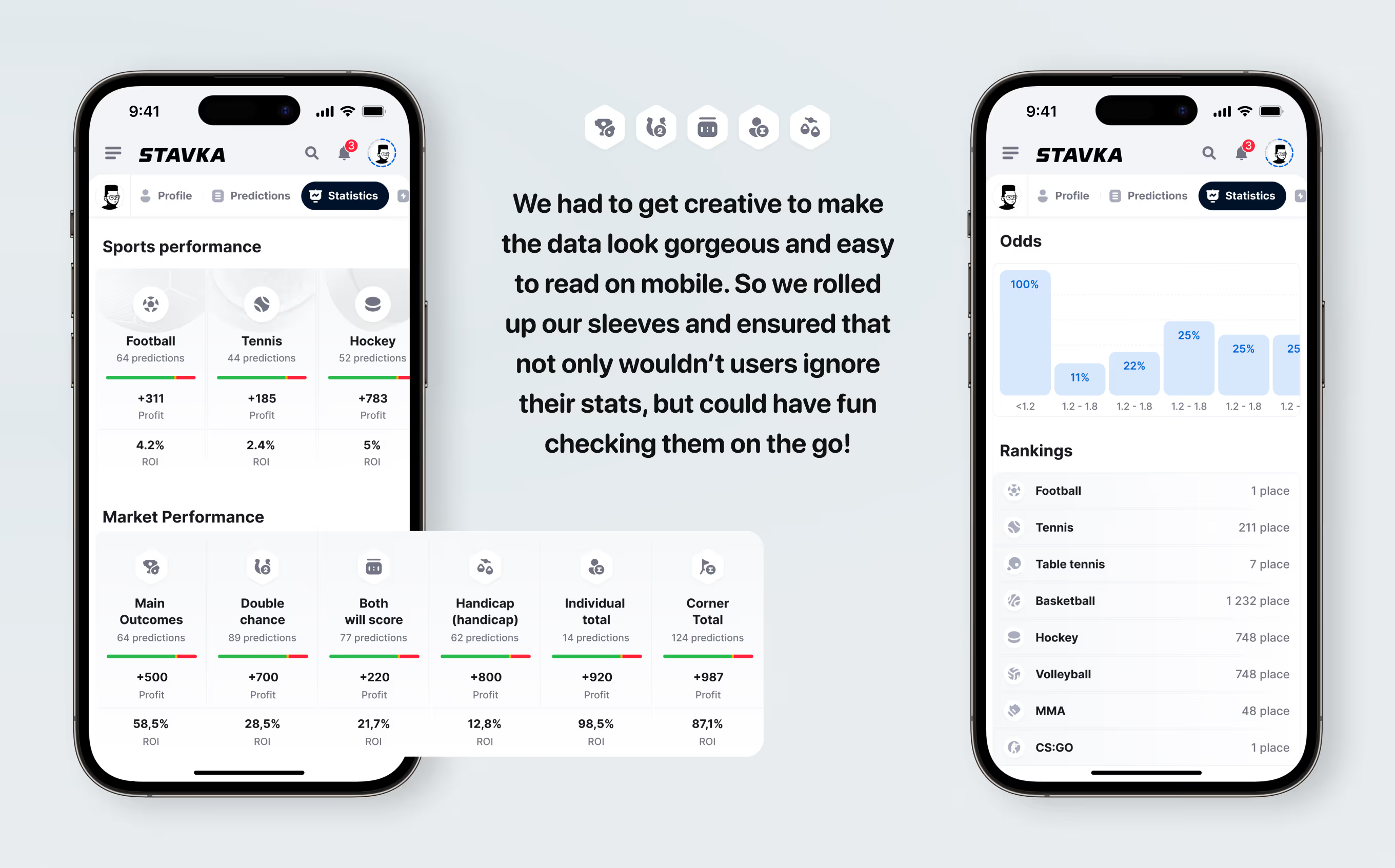
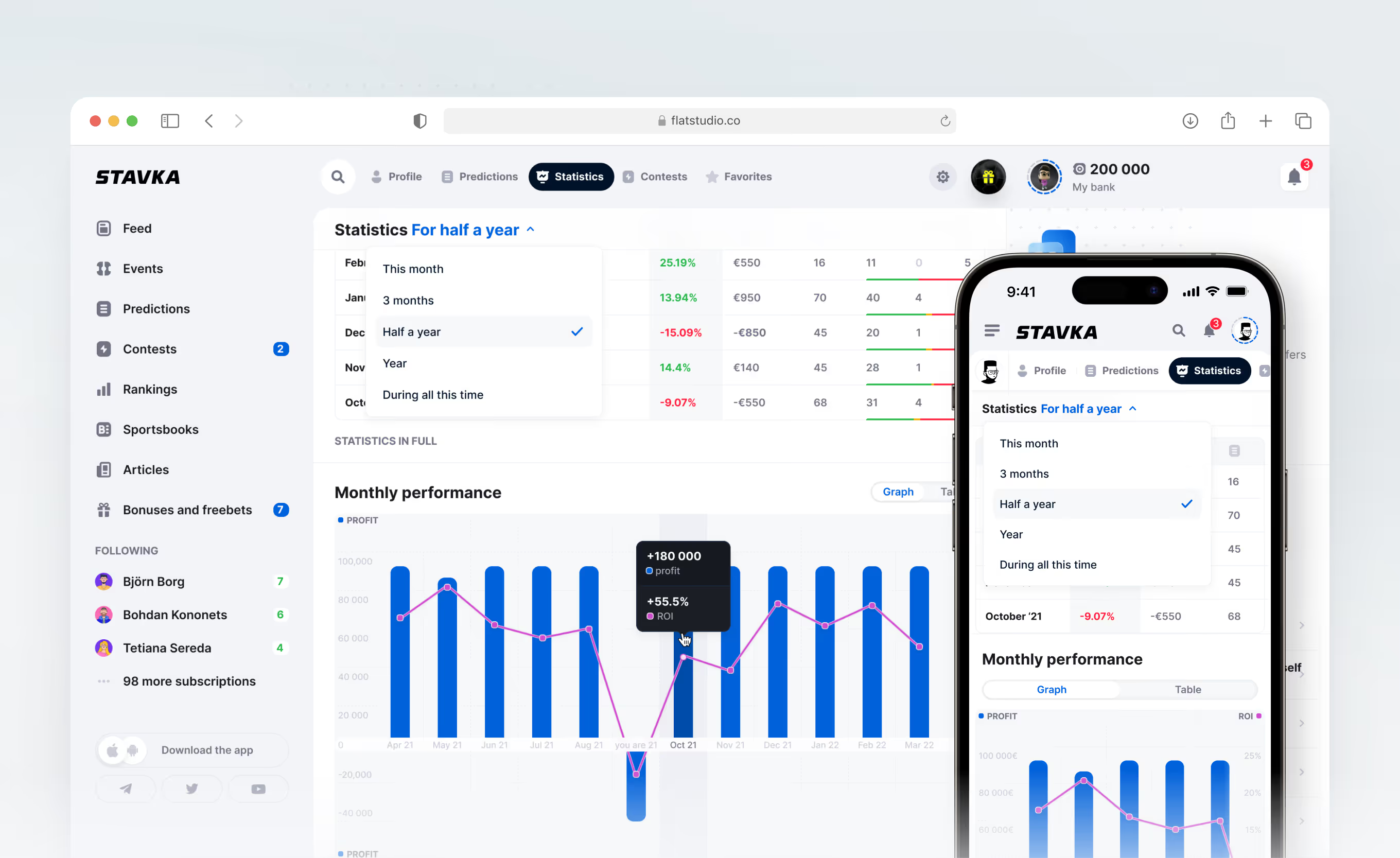
A time filter — this month, 3 months, half a year, year, all time — reshapes the profit table and monthly performance graph. Hovering a bar surfaces exact profit and ROI for that month.
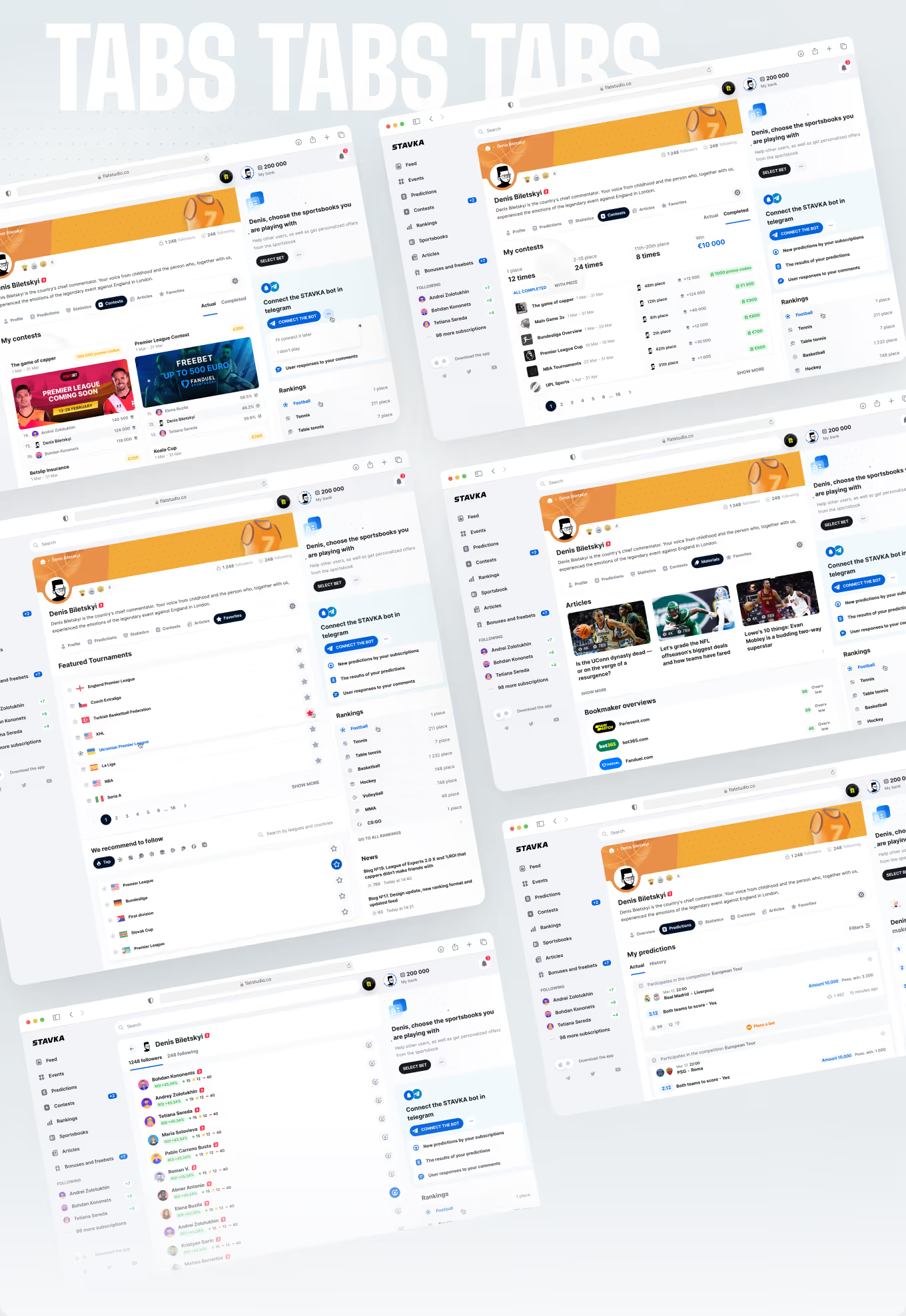
Profile, Predictions, Statistics, Contests, Articles, and Favorites sit behind one consistent tab bar. The Contests tab tracks placements and prize winnings; Articles surfaces followed content.
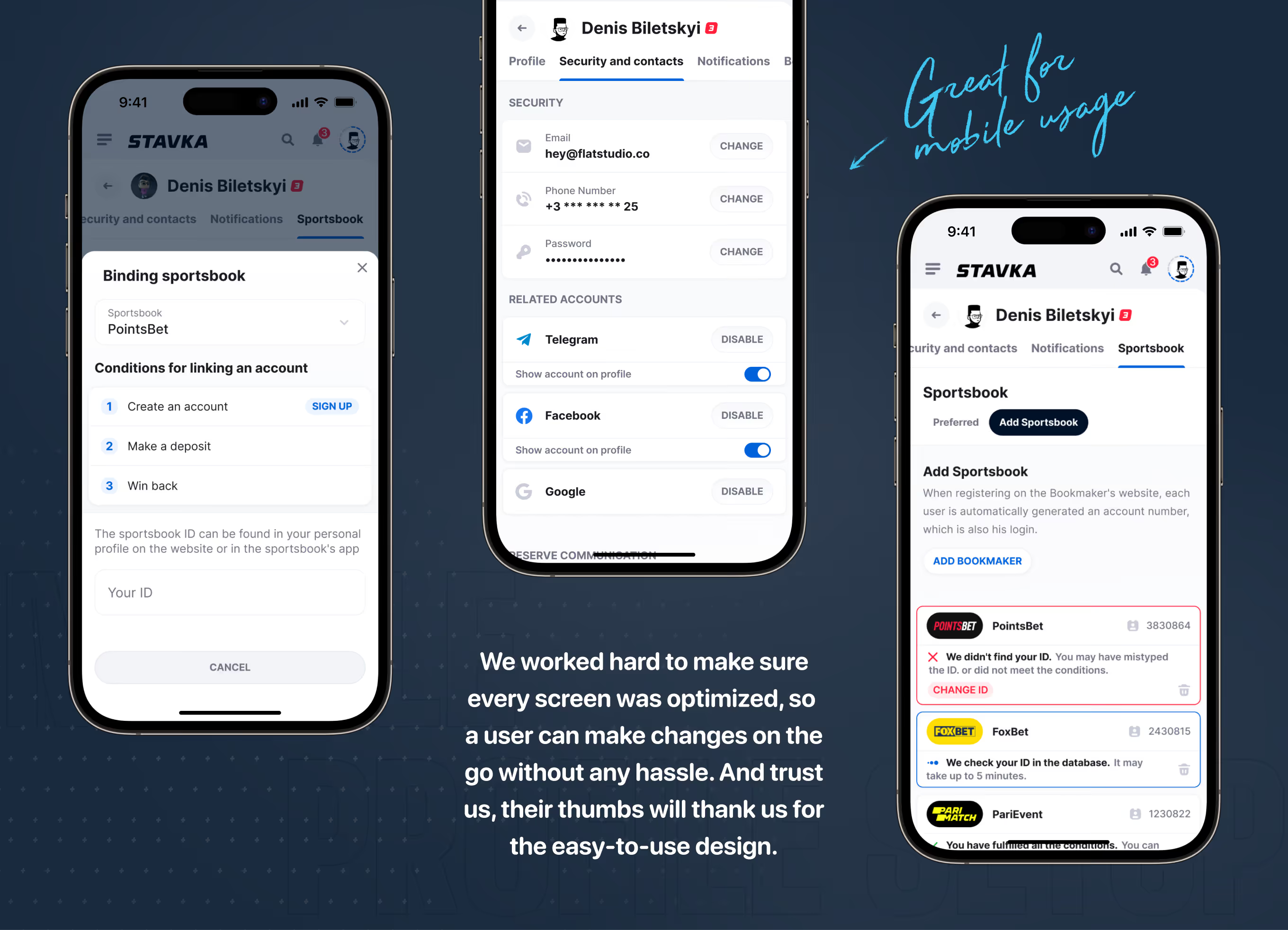
Users edit cover, avatar, name, description, and a public profile URL slug directly from settings. A 500-character limit keeps the bio field within the profile card's layout.
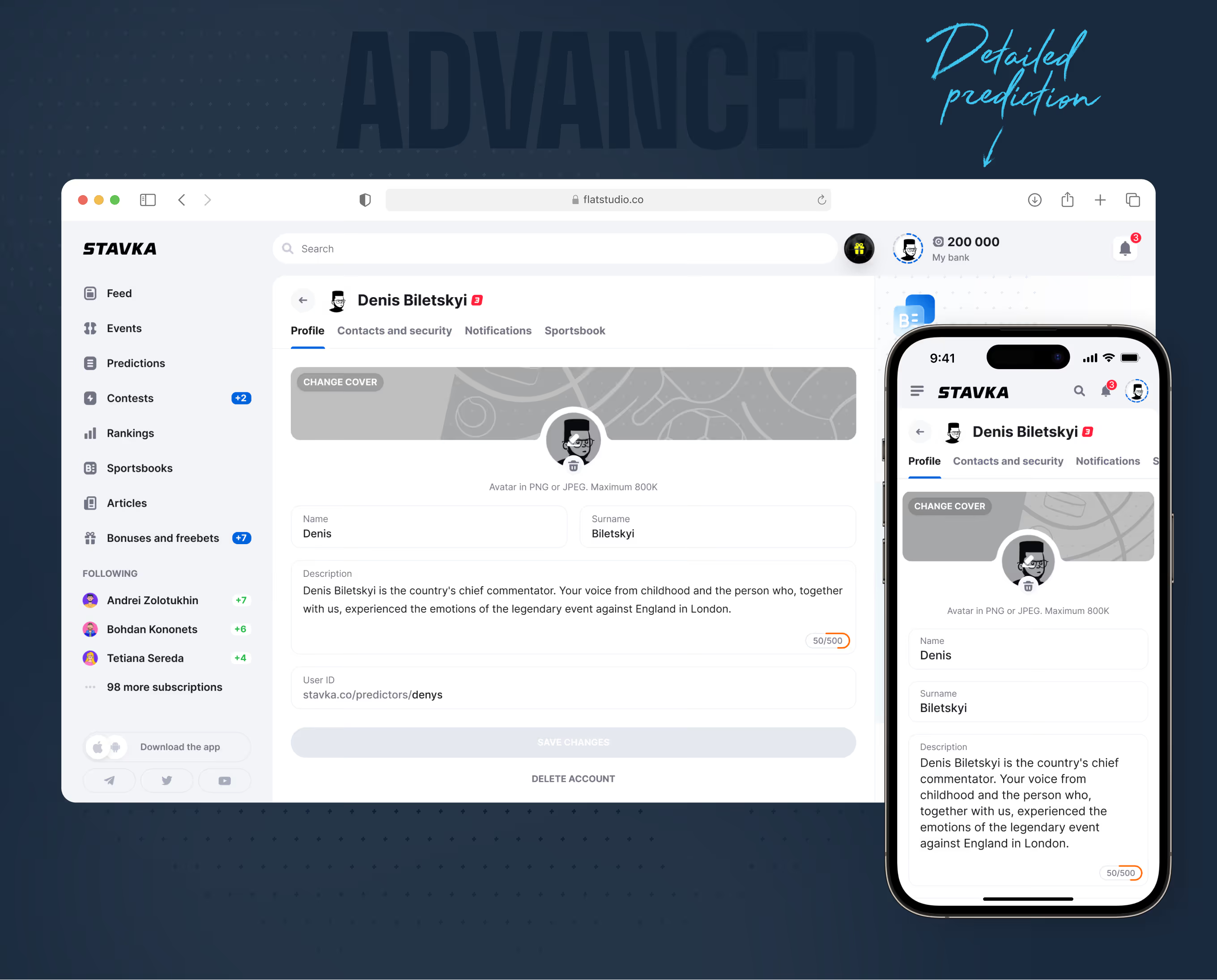
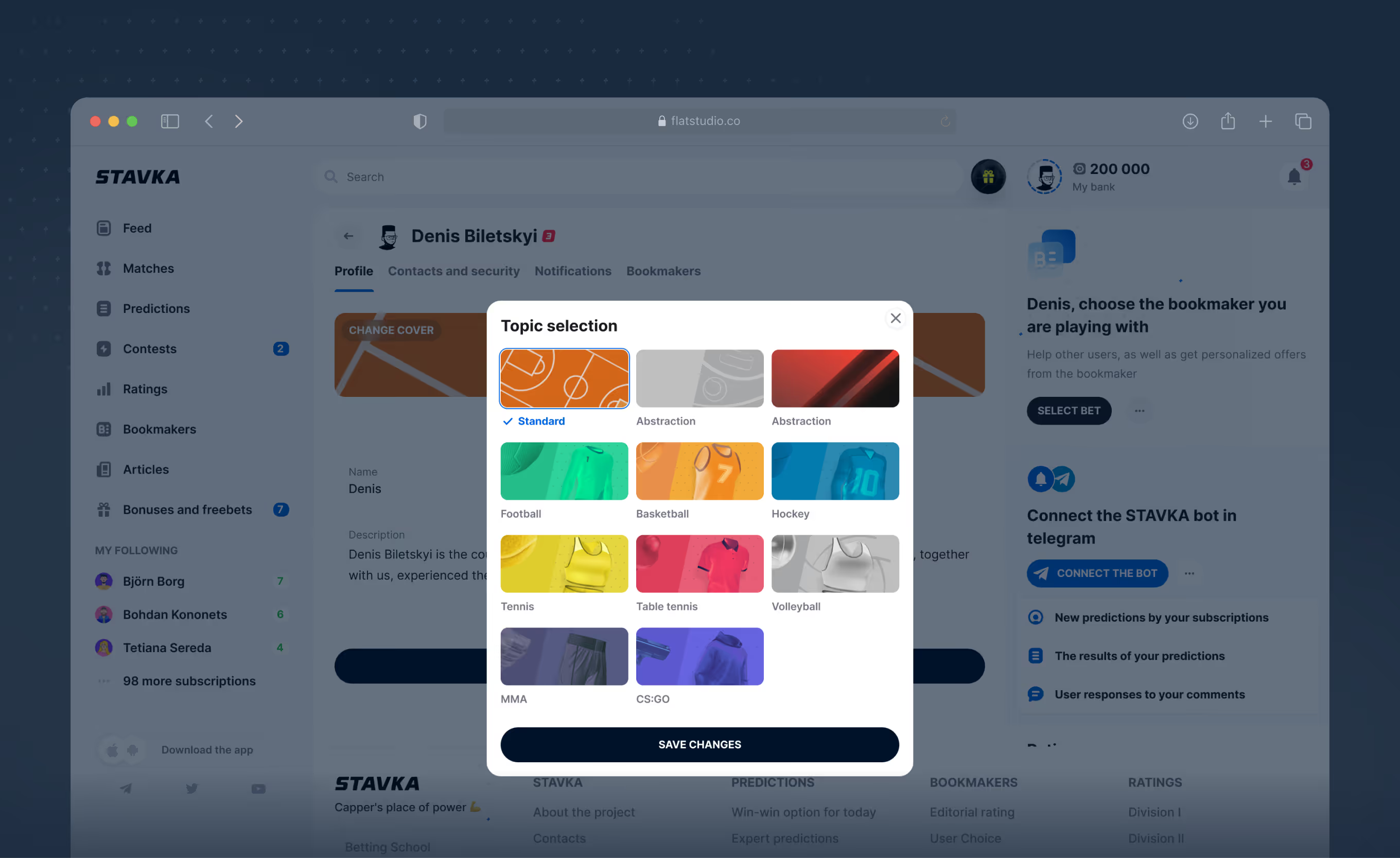
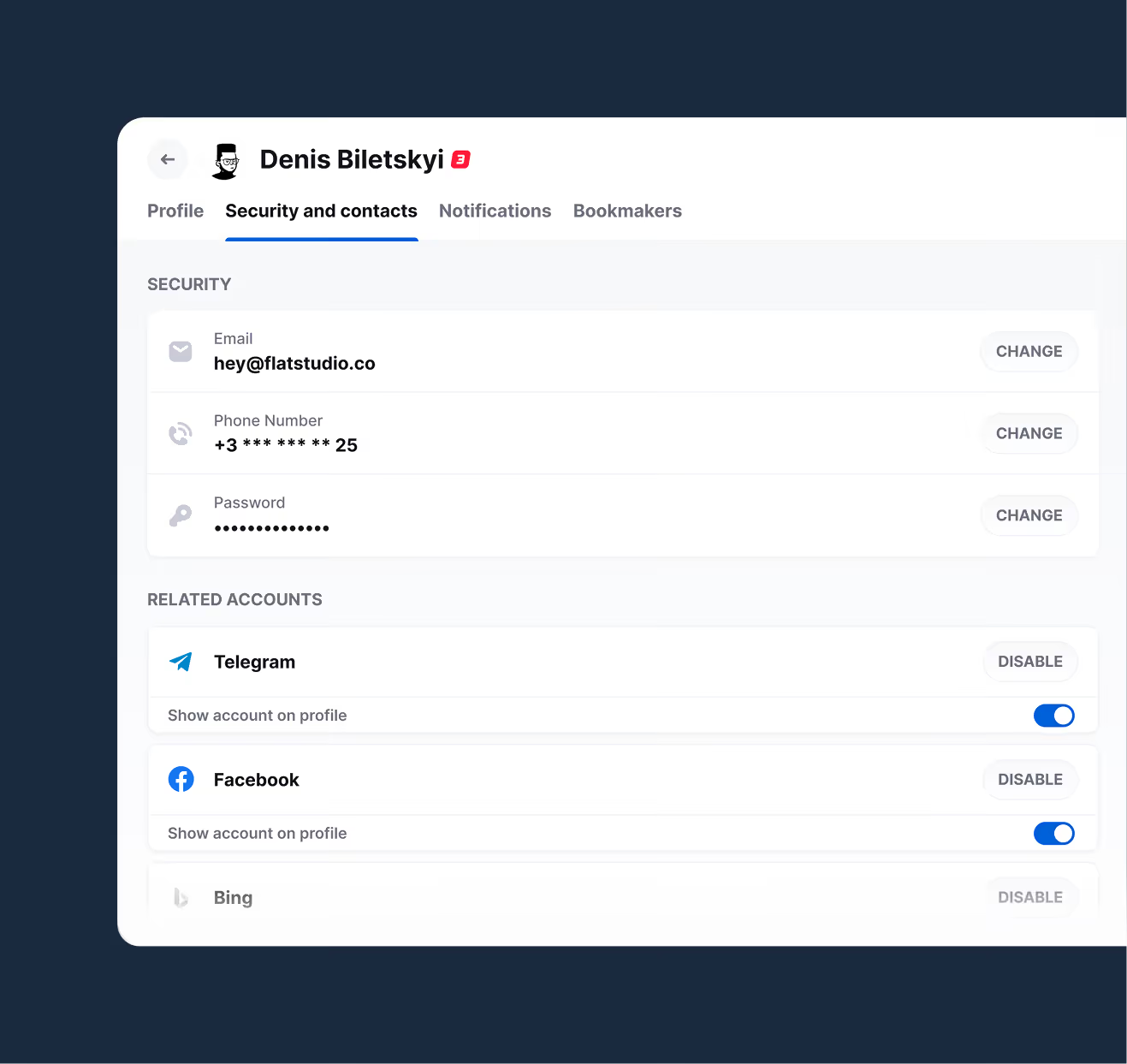
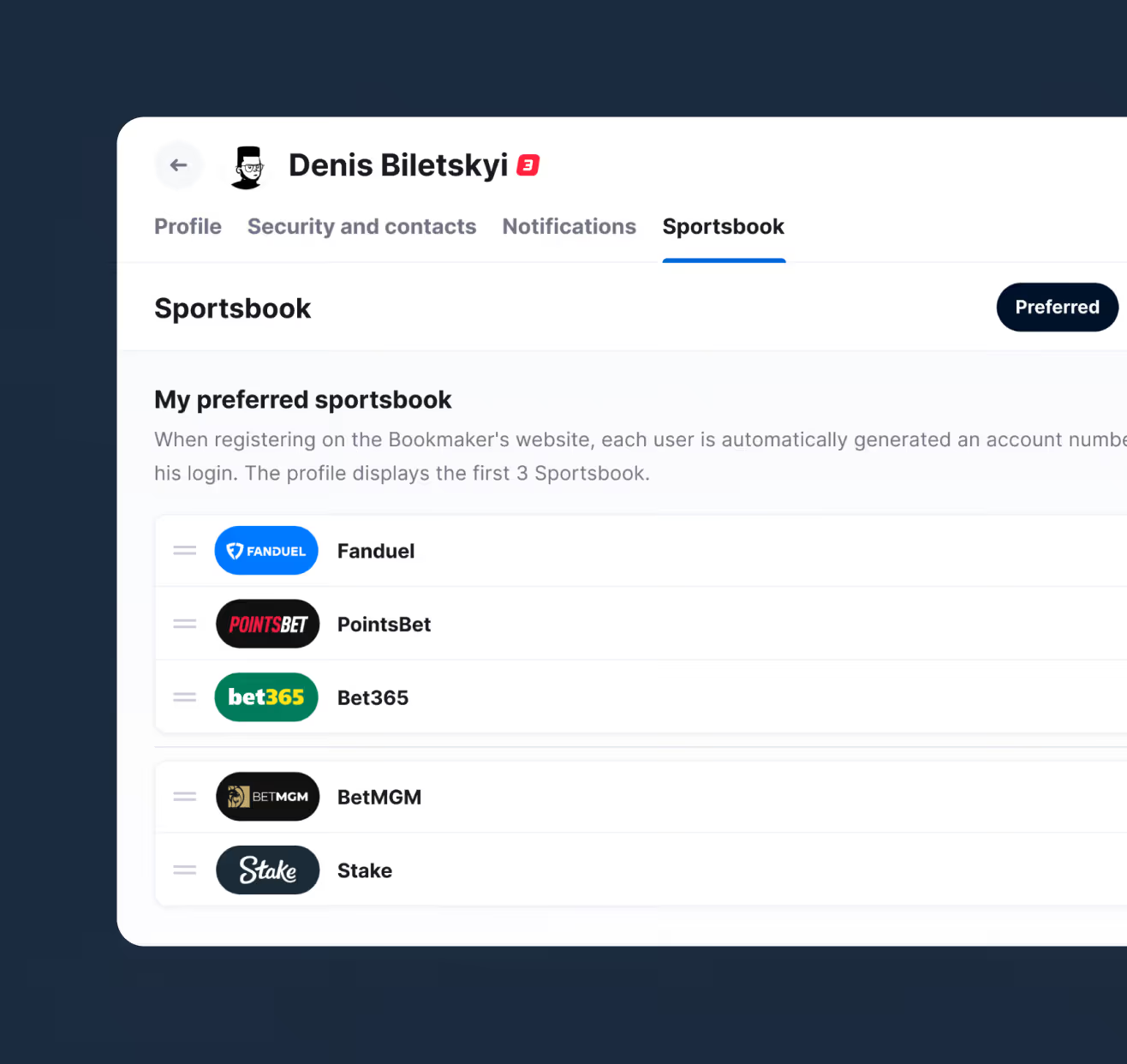
A topic-selection modal lets users pick a sport-themed cover — football, basketball, hockey, tennis, MMA, CS:GO — for their profile. Security, contacts, and sportsbook settings sit in adjacent tabs.
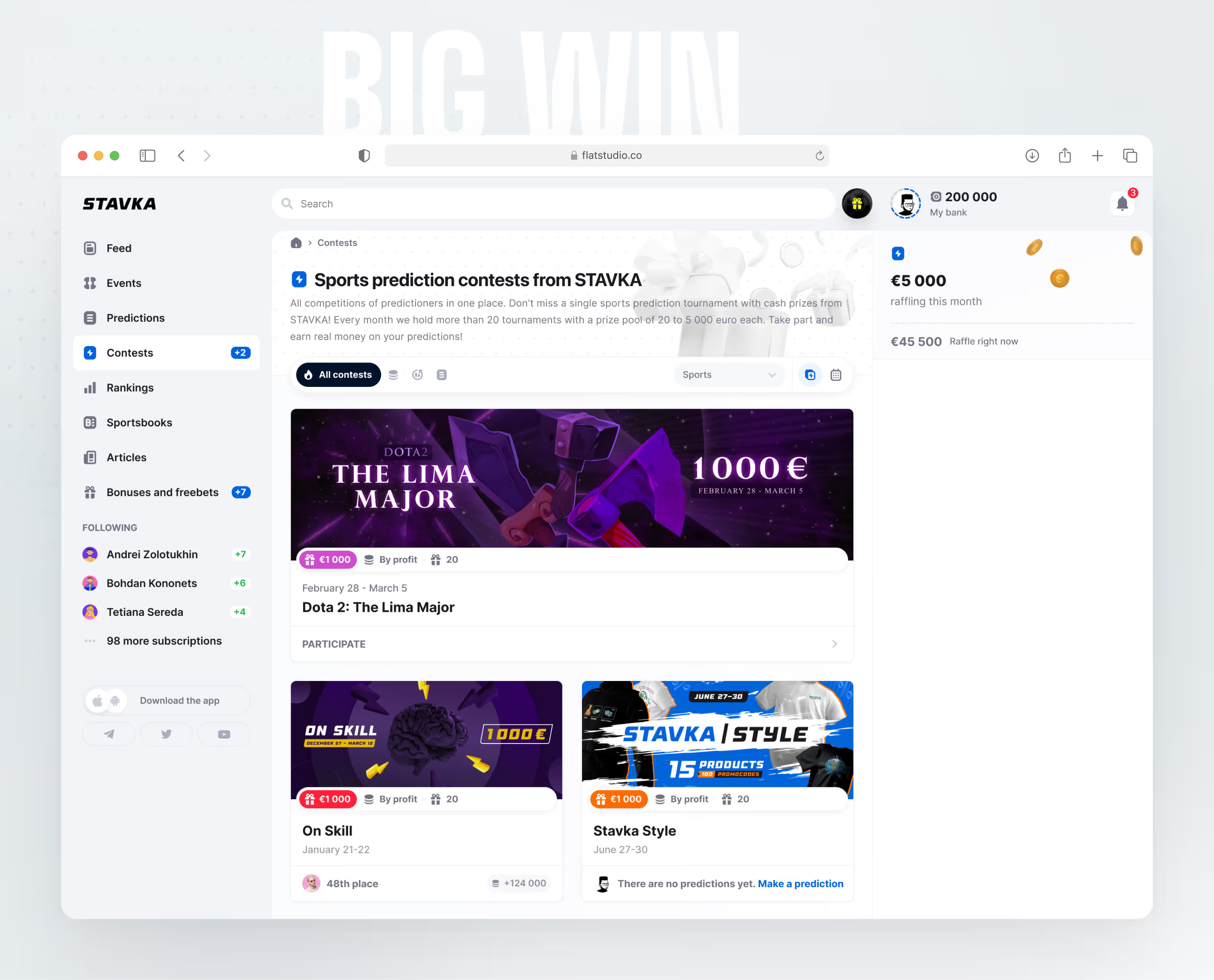
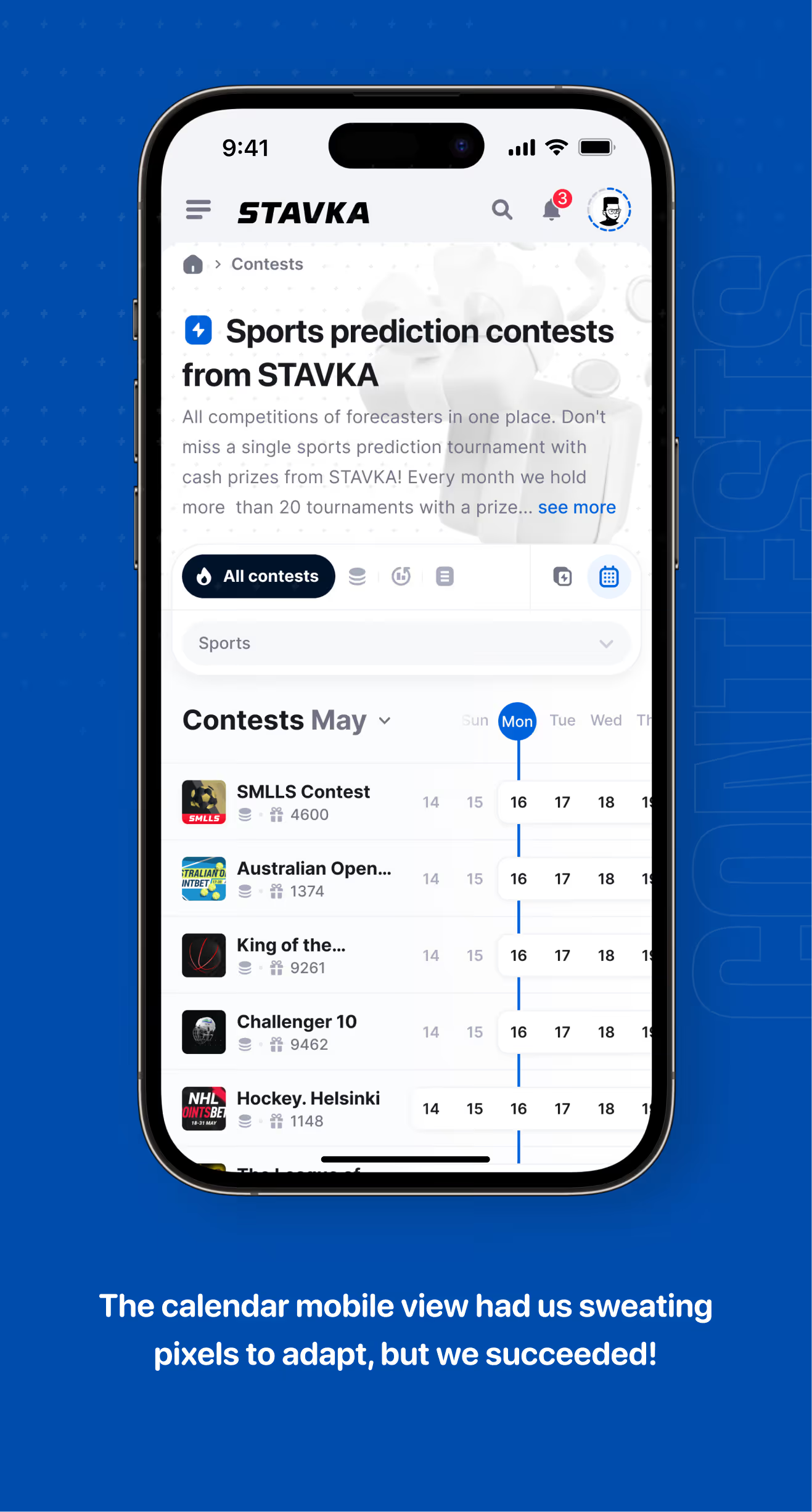
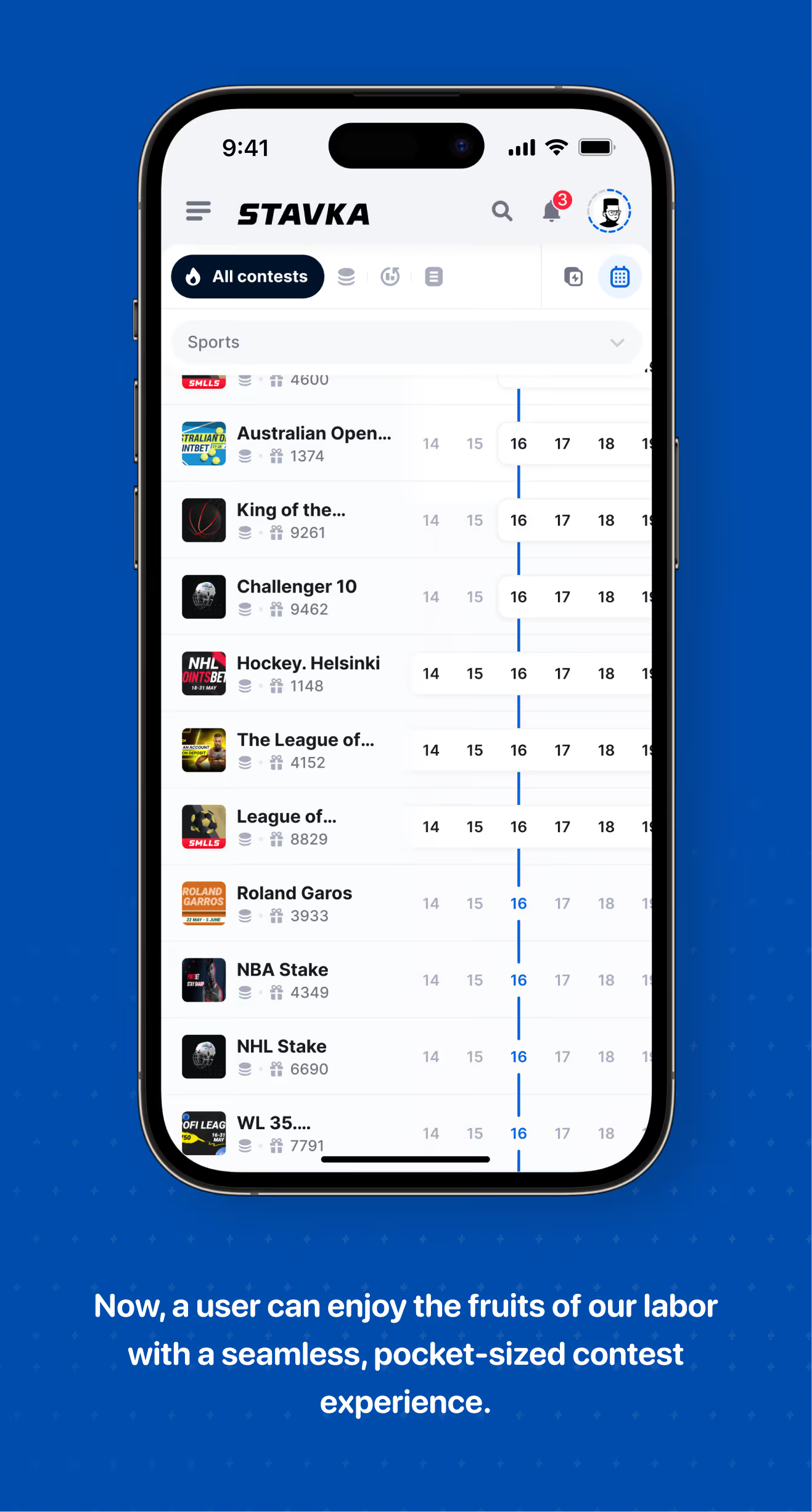
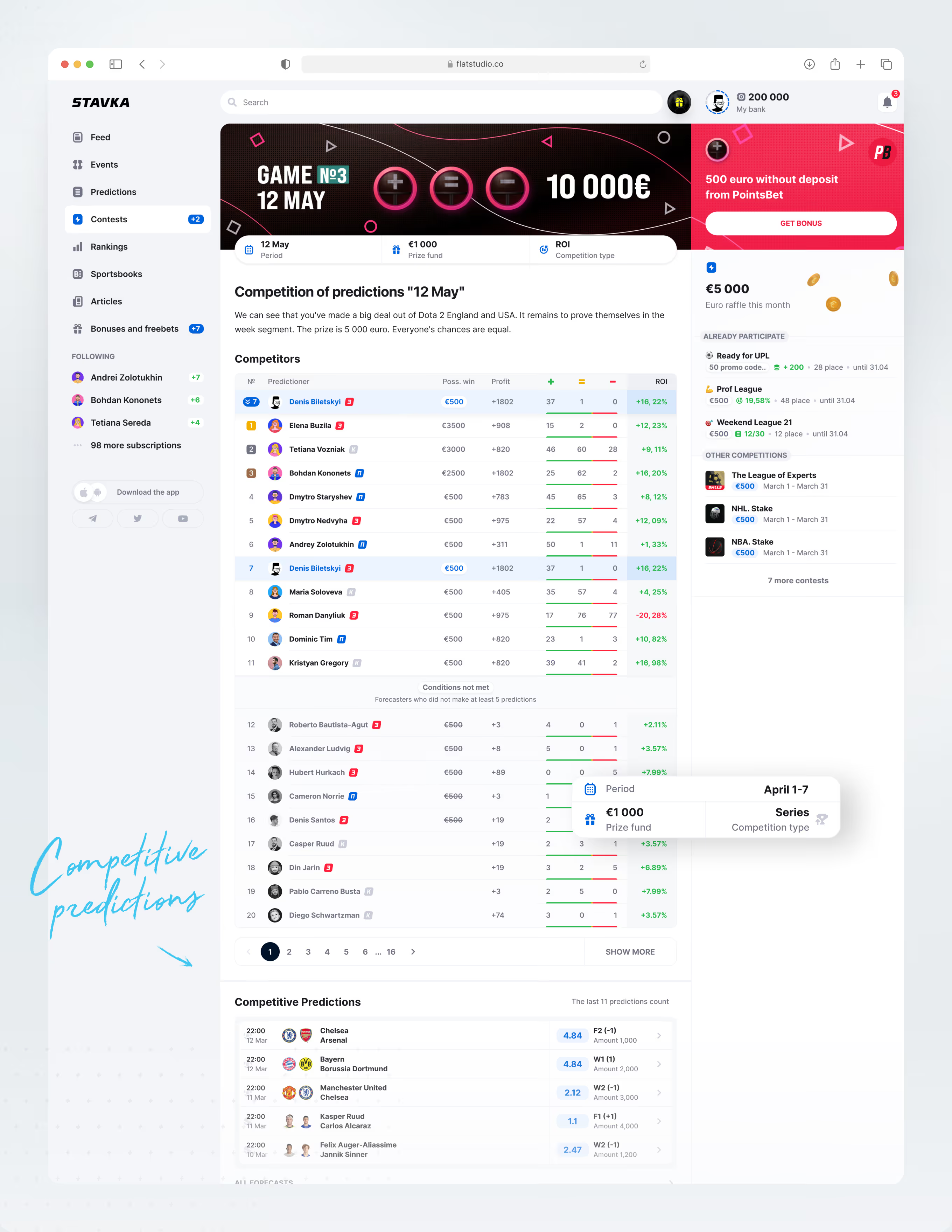
The contests page lists all active tournaments with prize pool, participant count, and a sport filter. STAVKA runs 20+ prediction tournaments every month across different sports.
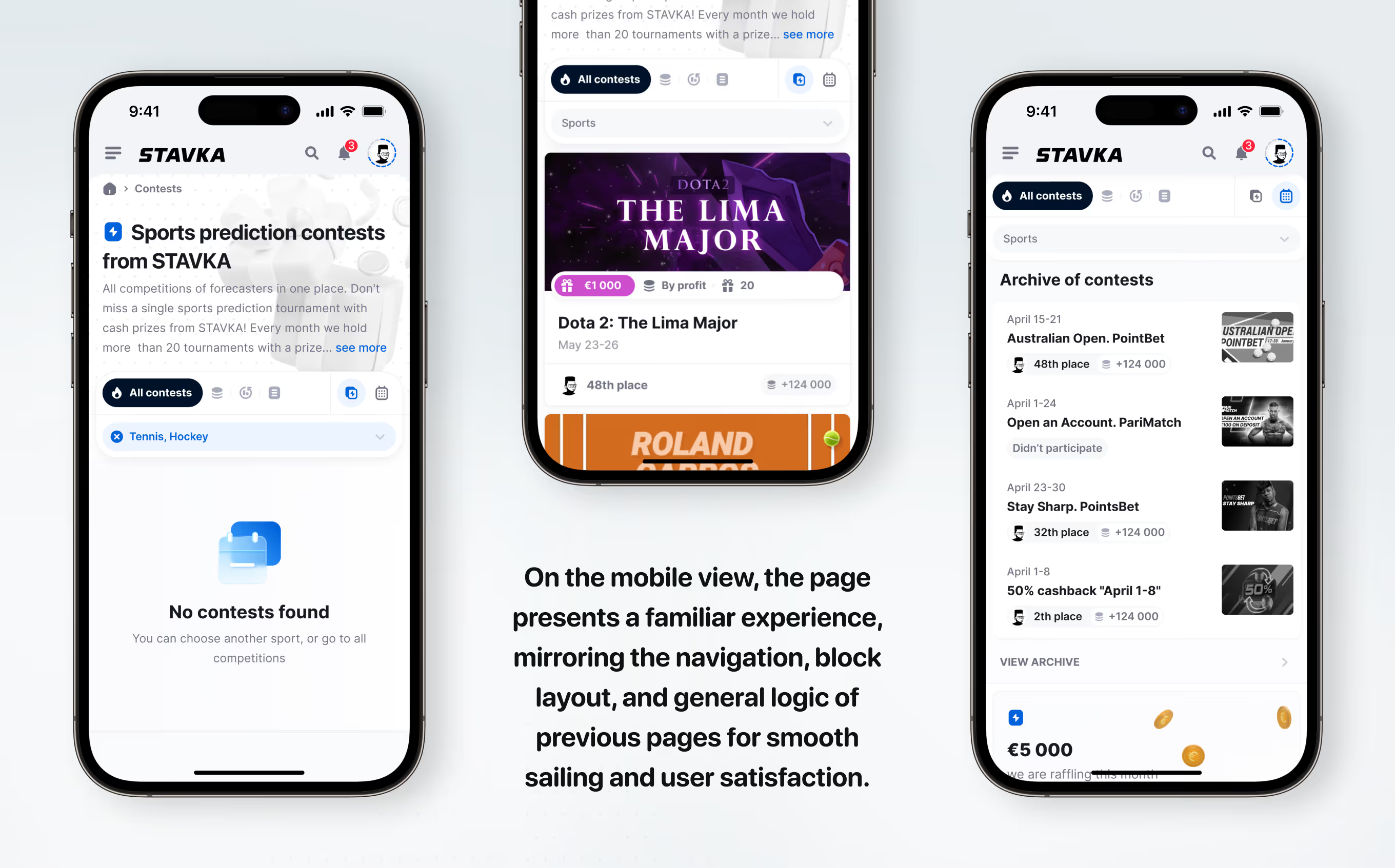
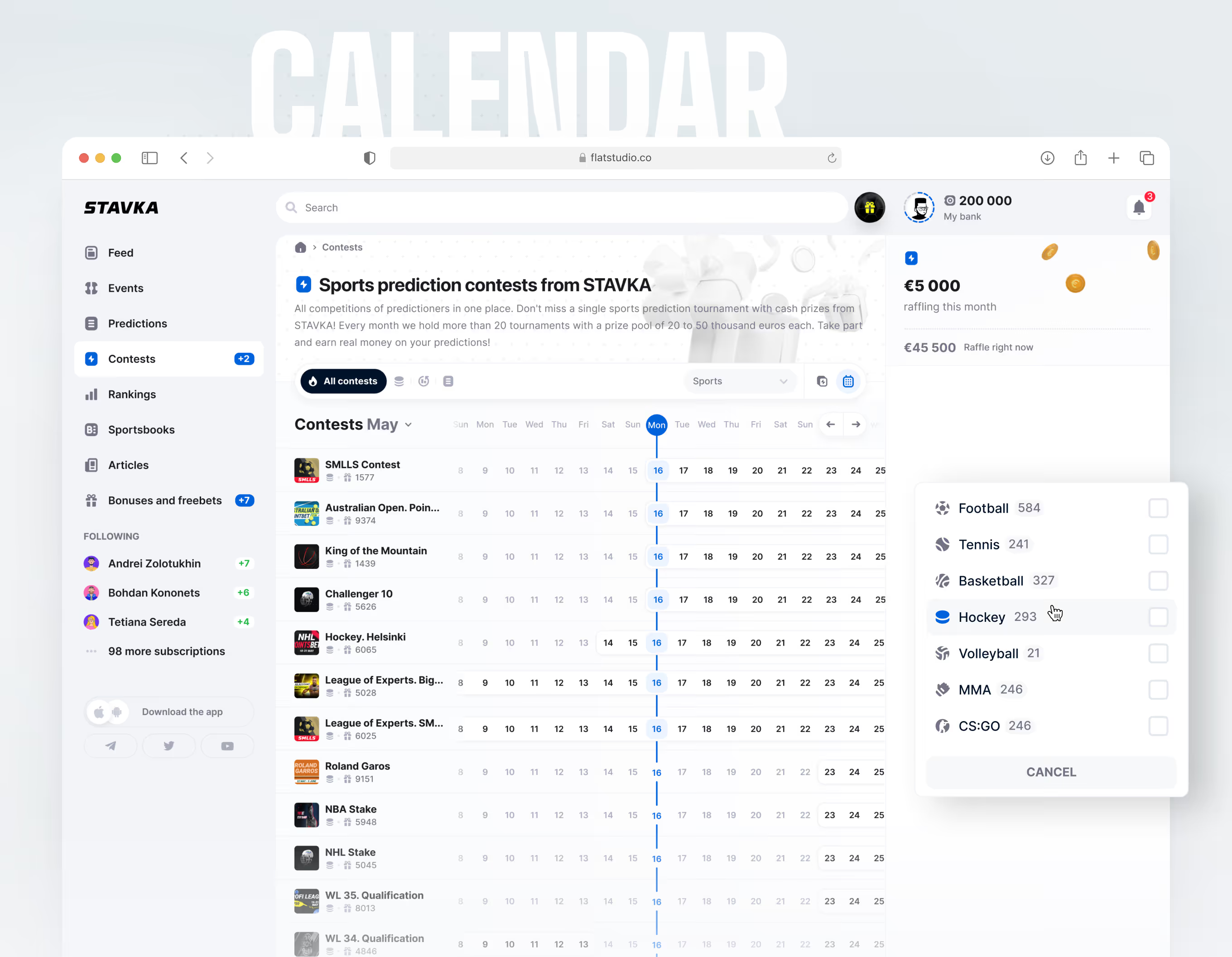
A calendar view maps contests across the month with a sport-count sidebar — 584 football, 327 basketball, 293 hockey entries. Users filter by date range and sport before entering a tournament.
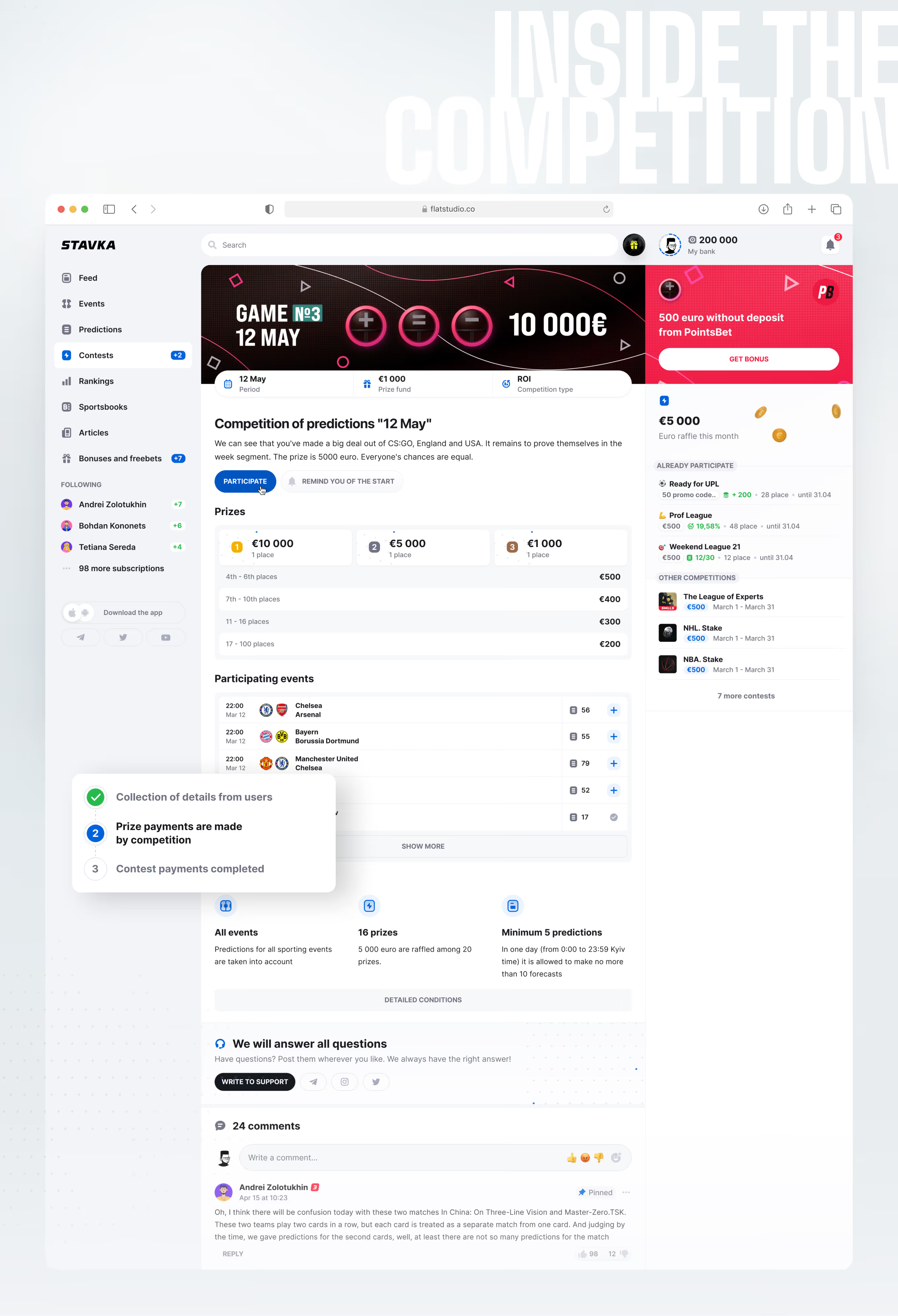
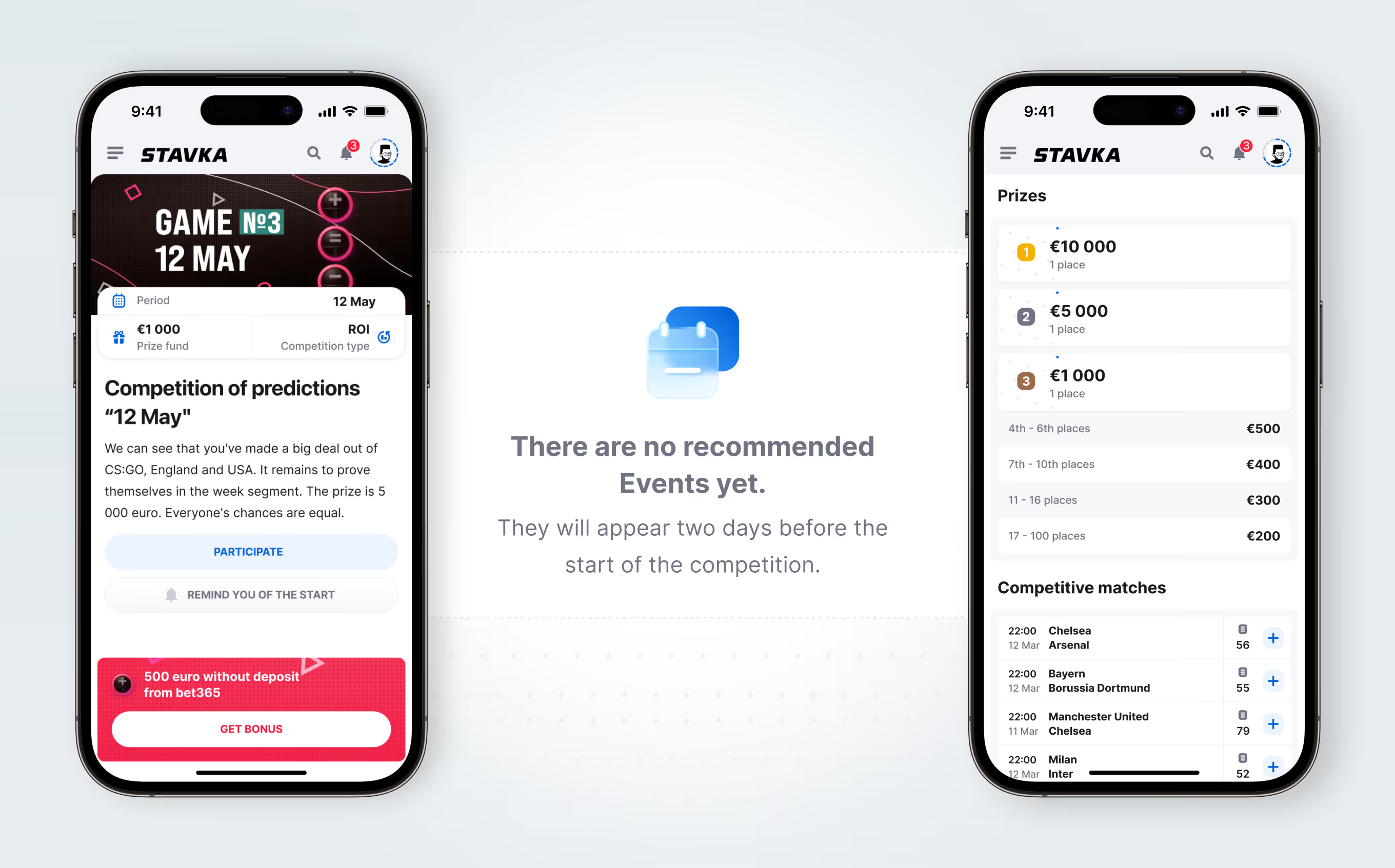
Each contest page states the prize fund, competition type, and a full payout table down to the 100th place. This contest paid €10,000 for 1st place down to €200 for places 17–100.
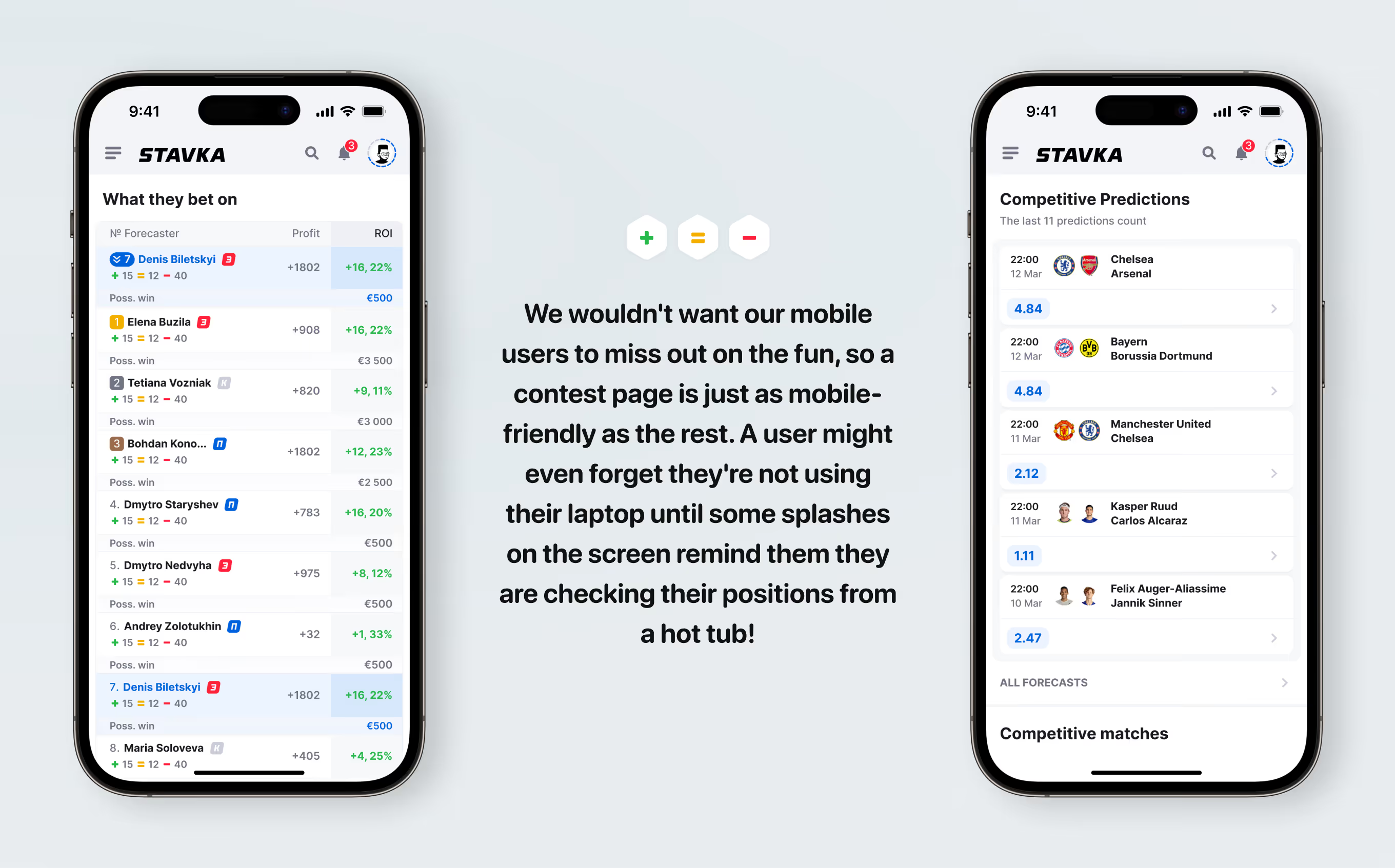
The leaderboard ranks competitors by profit and ROI, with a separate section for entries below the minimum five-prediction threshold. A user's own row stays pinned and highlighted while scrolling.
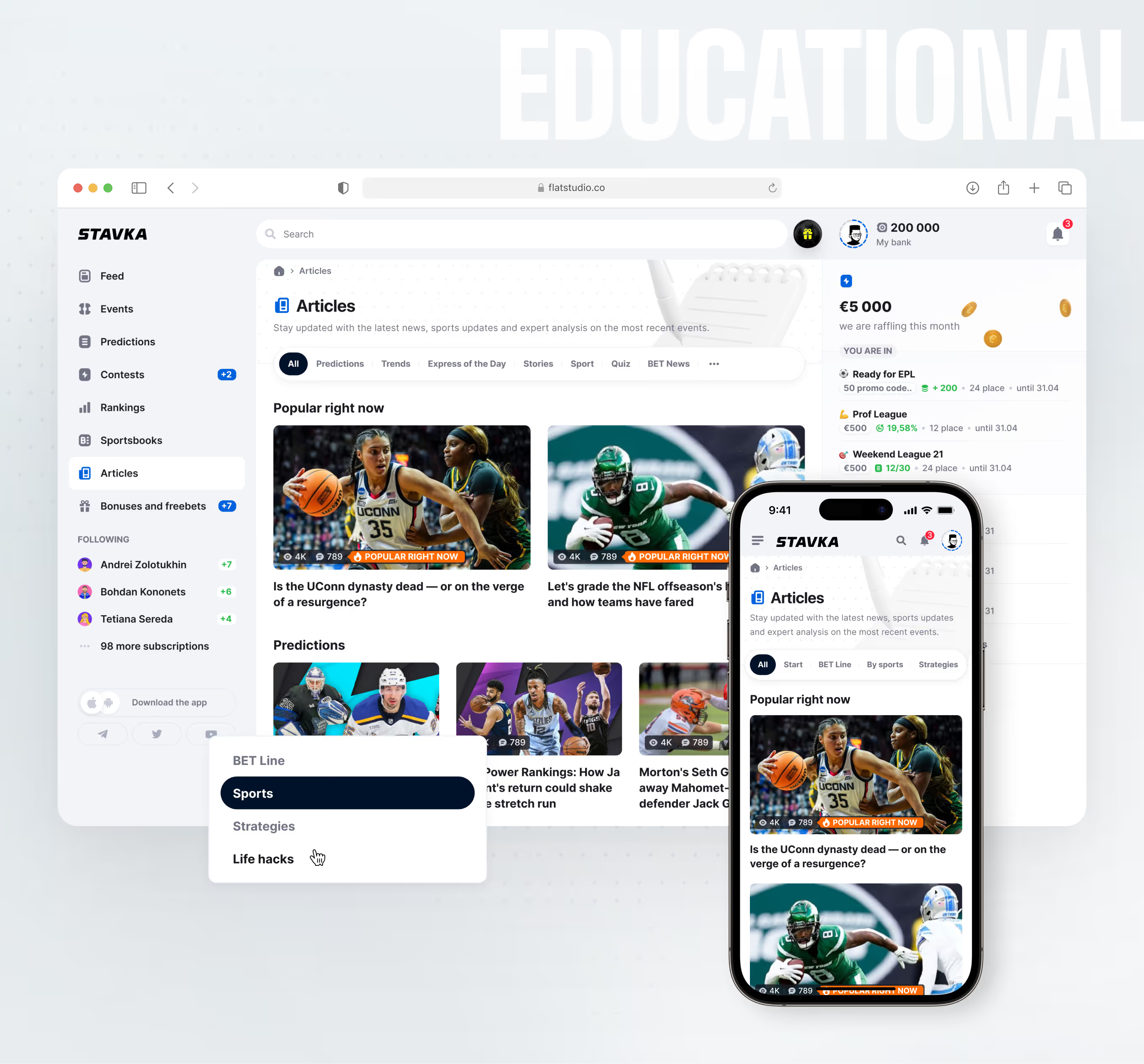
Articles split into Predictions, Trends, Express of the Day, Stories, Quiz, and BET News, with a secondary dropdown for Sports, Strategies, and Life hacks. Popular posts show view and comment counts.
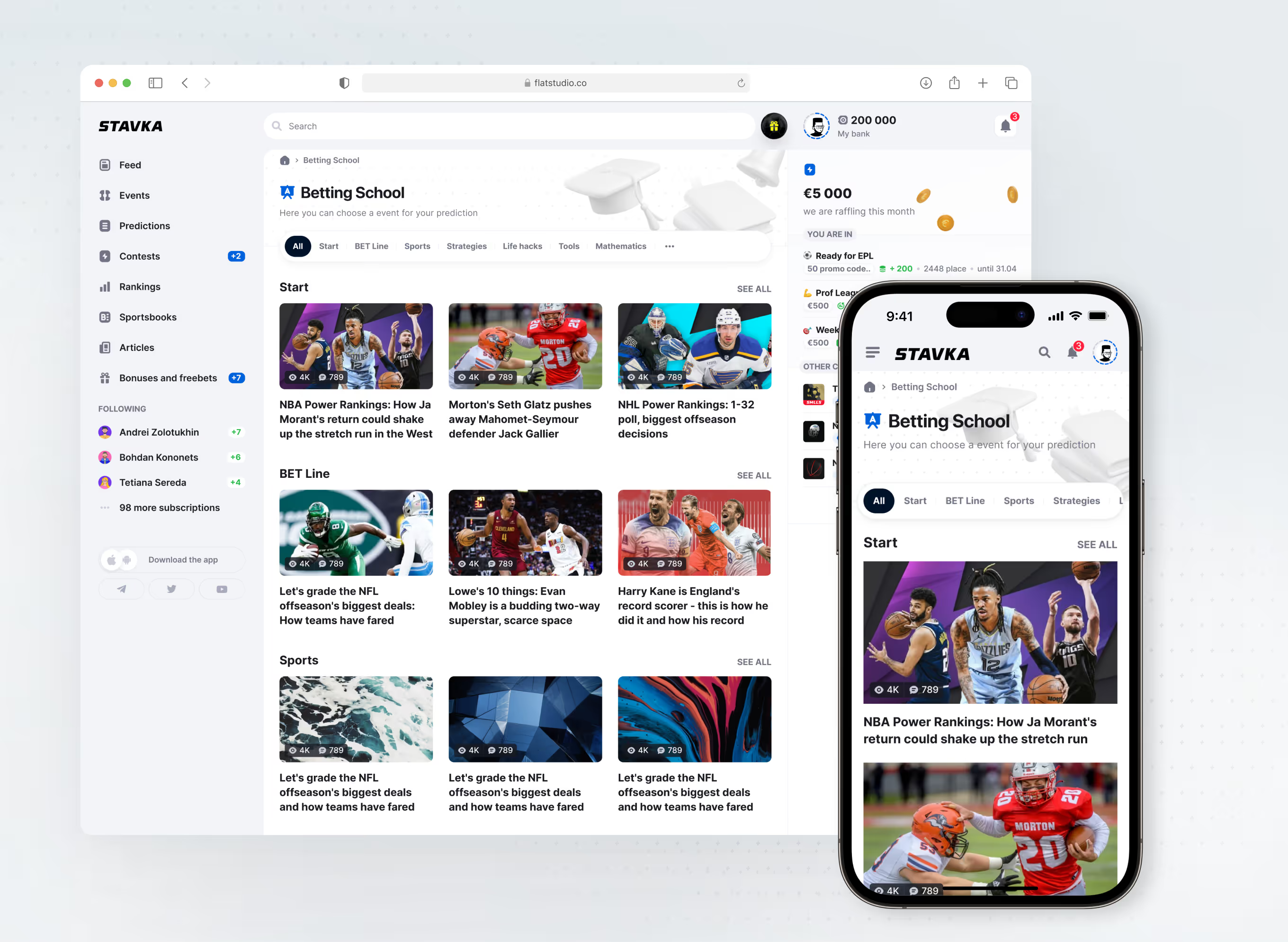
Betting School organizes educational content into Start, BET Line, Sports, Strategies, Life hacks, Tools, and Mathematics. Each category runs its own article grid rather than one long feed.
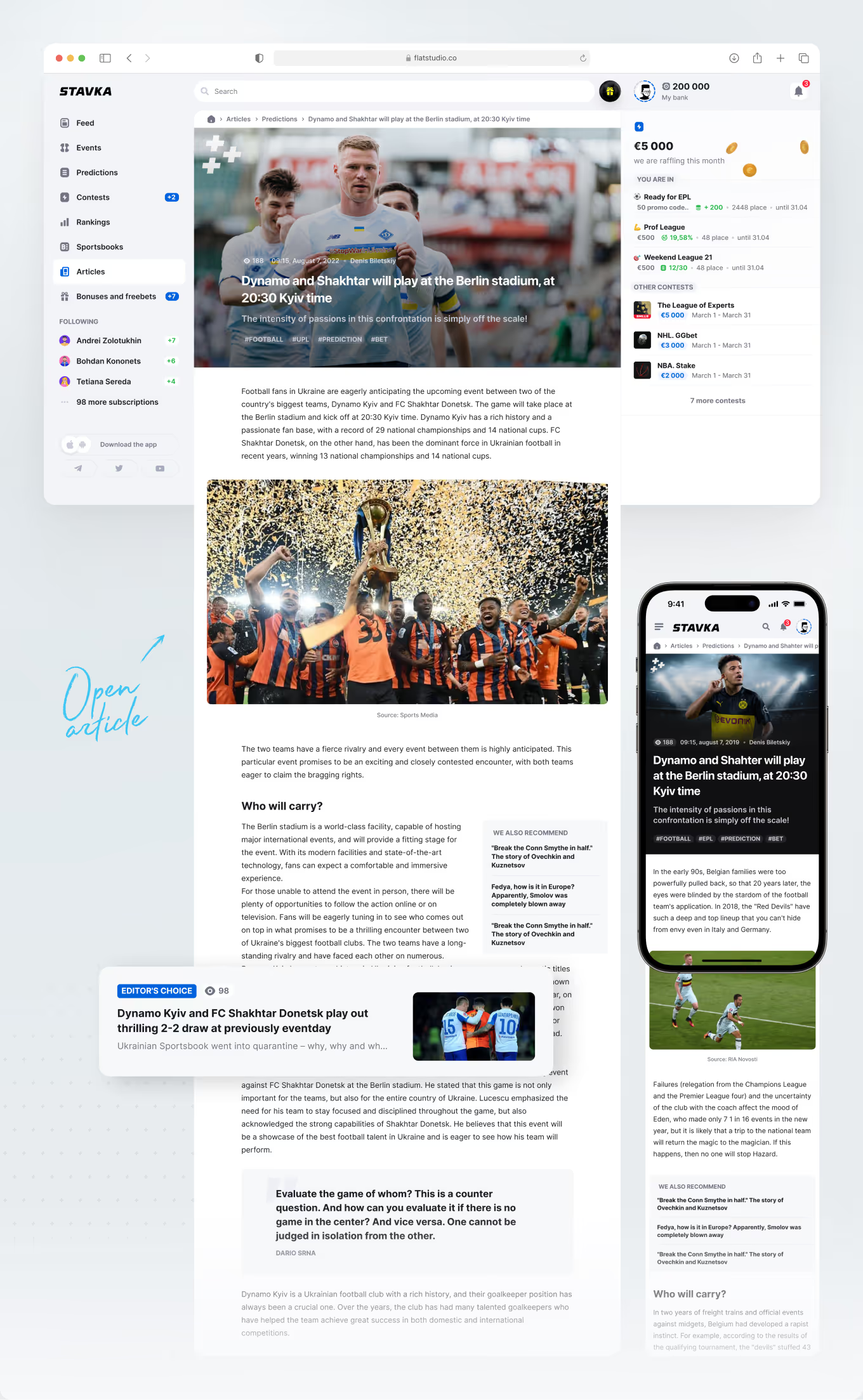
Article pages keep a breadcrumb trail, hero image, and topic tags such as #FOOTBALL and #PREDICTION above the body text. The layout holds the same image hierarchy on desktop and mobile.
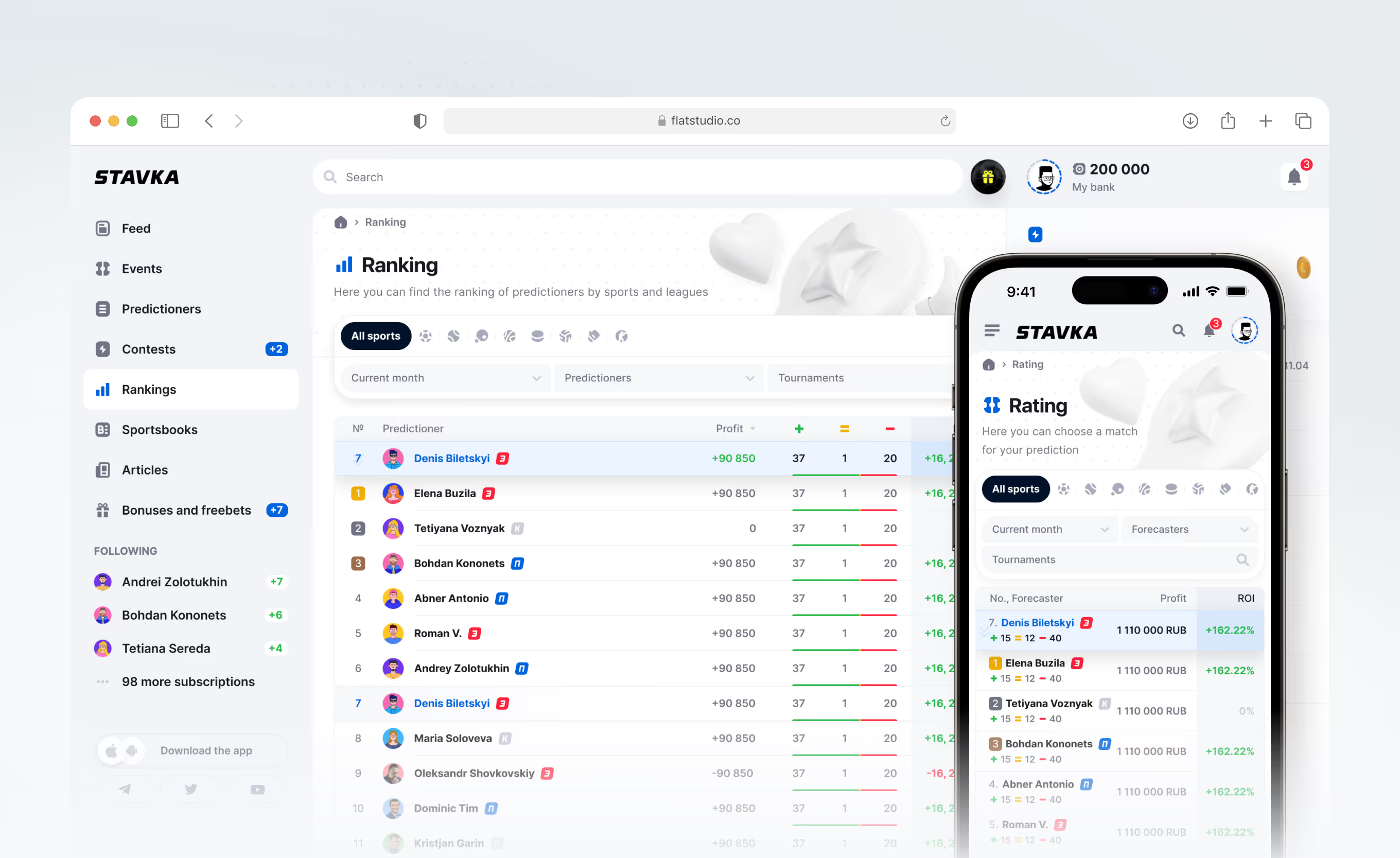
The rankings page filters by sport, time period, and tournament, showing profit and ROI per predictioner across the full user base. A user's own rank stays visible outside the top rows.
Stavka's platform has evolved through three product versions since 2017, now running on a 3,500+ component design system that lets new features, tournaments, and banners ship without a full redesign cycle.
The engagement followed the same staged path we use for other live sports platforms across a 9+ year partnership: Product Audit & Discovery to map the friction, Post-MVP Evolution as a weekly design retainer, and a Dedicated Product Team as the roadmap grew.